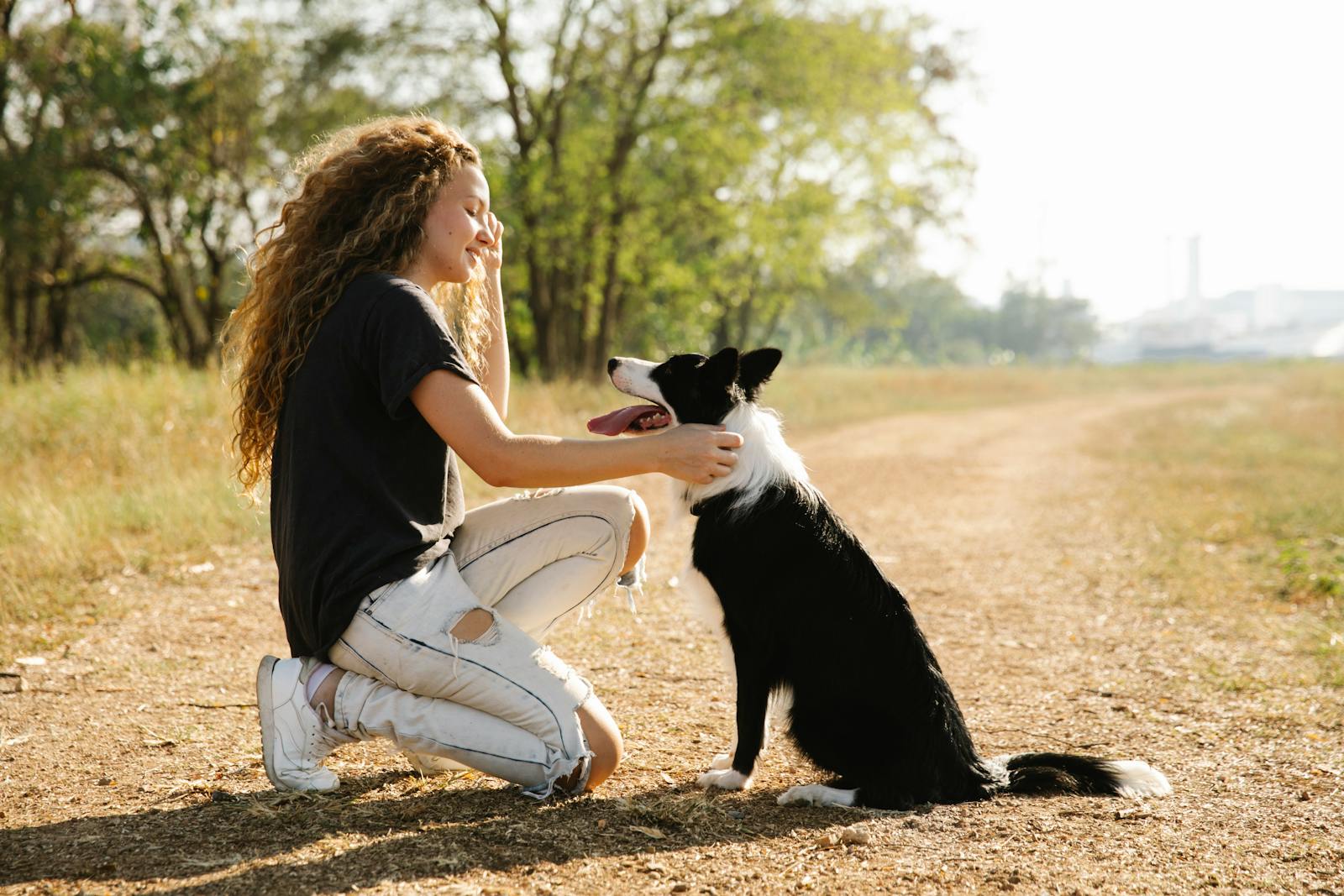



Do pets experience grief? If you’ve ever noticed changes in your pet’s behavior after the loss of a family member or another pet, you might wonder if they truly feel sadness. Many pets, especially dogs and cats, do go through a form of grief, showing signs of emotional distress when a companion is gone.
Understanding that your pet can experience grief helps you recognize their needs during this difficult time. They may exhibit changes like withdrawal, loss of appetite, or increased clinginess. Learning how to support your pet as they navigate this emotional period can improve their well-being and strengthen the bond you share.
This article will explore how pets grieve, what those signs look like, and practical ways to help your furry friend adjust to loss, so you’re better prepared to offer comfort when it’s most needed.
Key Takeaways
- Pets can show clear signs of grief after losing a companion.
- Recognizing grief behaviors allows you to provide appropriate support.
- Helping your pet adjust improves their emotional health and recovery.
Understanding Grief in Pets

Grief in pets can affect them in varied ways, revealing itself through changes in behavior, responses specific to different species, and specific events that trigger emotional distress. Recognizing these signs can help you provide the support your pet needs during difficult times.
Recognizing Behavioral Changes
Your pet may show clear changes in behavior after a loss. Common signs include decreased appetite, increased sleep, withdrawal from social interaction, and reduced playfulness. You might notice your dog or cat becoming clingier or more restless than usual.
Some pets display vocalizations such as whining or howling, which can indicate confusion or sadness. Changes in grooming habits, such as neglect or excessive licking, can also be a response to grief.
Be attentive to any prolonged shifts lasting weeks or more. These behaviors show your pet’s emotional adjustment and signal when extra care or veterinary advice may be needed.
Species-Specific Responses
Different species express grief in distinct ways. Dogs often show overt signs, including restlessness, loss of appetite, and seeking more attention from you. Cats may become withdrawn, hide more frequently, or exhibit changes in vocalizations.
Birds might lose interest in their usual songs or routines. Small mammals like rabbits or guinea pigs can become lethargic or stop eating.
Understanding these differences helps you tailor your response. While dogs may benefit from extra exercise and interaction, cats might need a quiet environment and gradual encouragement to engage.
Common Triggers for Grief
Loss of a companion—whether pet or human—is often the main trigger for grief. Changes to your routine, such as less time spent with your pet or introducing a new animal, can also cause distress.
Moving to a new home or the absence of familiar scents can unsettle your pet and evoke grieving behaviors. Even subtle shifts like changes in your mood or household atmosphere affect pets profoundly.
Being aware of these triggers allows you to anticipate and mitigate stress by maintaining consistency and providing comfort during transitions.
Supporting Grieving Pets
Helping a pet through grief involves providing comfort, adjusting their environment, and knowing when to involve a professional. You need to recognize behavioral changes and respond in ways that offer stability and reassurance.
Providing Emotional Comfort
You can offer emotional support to your grieving pet by maintaining regular affection and interaction. Spend extra time petting, talking, or simply sitting with them to reassure their sense of security. Avoid sudden changes in attention that might increase anxiety.
Keep routines consistent. Feeding, walks, and playtime should occur at usual times to create predictability. This stability helps reduce stress and prevents feelings of abandonment.
Watch for signs that your pet seeks more attention or seems withdrawn. Respond accordingly, but don’t force interactions. Some pets may prefer quiet companionship over active engagement during grief.
Creating a Supportive Environment
Create a calm, comfortable space for your pet to rest. Use familiar bedding and keep their environment free from loud noises or interruptions. This reduces additional stress and gives your pet a safe retreat.
Introduce activities that engage your pet gently, such as puzzle feeders or short walks. These distractions can help redirect focus from sorrow without overwhelming them.
Consider using calming aids like pheromone diffusers, which can reduce anxiety in many pets. Ensure other pets in the household are monitored for changes in behavior to prevent conflict or increased stress.
When to Seek Professional Help
If your pet shows prolonged signs of distress—such as significant appetite loss, aggression, or lethargy over several weeks—contact your veterinarian. They can assess whether there are underlying medical issues or if grief is severely impacting your pet’s health.
A vet may recommend behavioral therapy, medication, or refer you to a pet grief counselor. Professional support is especially important if your pet’s mood or physical health deteriorates rather than improves.
Don’t hesitate to seek help if you’re uncertain about your pet’s symptoms. Timely intervention can prevent complications and aid your pet’s emotional recovery.
Frequently Asked Questions
Pets show specific behaviors when grieving, such as changes in appetite, activity, and social interaction. Recognizing these signs can help you respond effectively.
How can you tell if a cat is grieving?
Cats may become withdrawn, hide more often, or show less interest in eating and grooming. Some cats vocalize differently or seem restless after a loss.
What are common signs of grief in dogs?
Dogs might lose their appetite, become lethargic, or display increased clinginess. You may notice whining, pacing, or changes in their usual behavior patterns.
What are the best ways to support a dog mourning the loss of a companion?
Keep a consistent routine and provide extra attention and comfort. Engaging your dog in familiar activities and offering favorite toys can help them adjust.
Do pets exhibit an understanding of another pet’s death?
Yes, pets often notice the absence and altered behaviors of their companions. They may show confusion, sorrow, or searching behaviors indicative of awareness.
How might dogs react to the death of their owner?
Dogs frequently show signs of anxiety, depression, or increased attachment to other family members. Some become withdrawn or display changes in sleeping and eating habits.
Can certain toys or activities help alleviate grief in dogs?
Interactive toys, regular walks, and playtime can provide distraction and comfort. Activities that stimulate both the mind and body support emotional recovery.