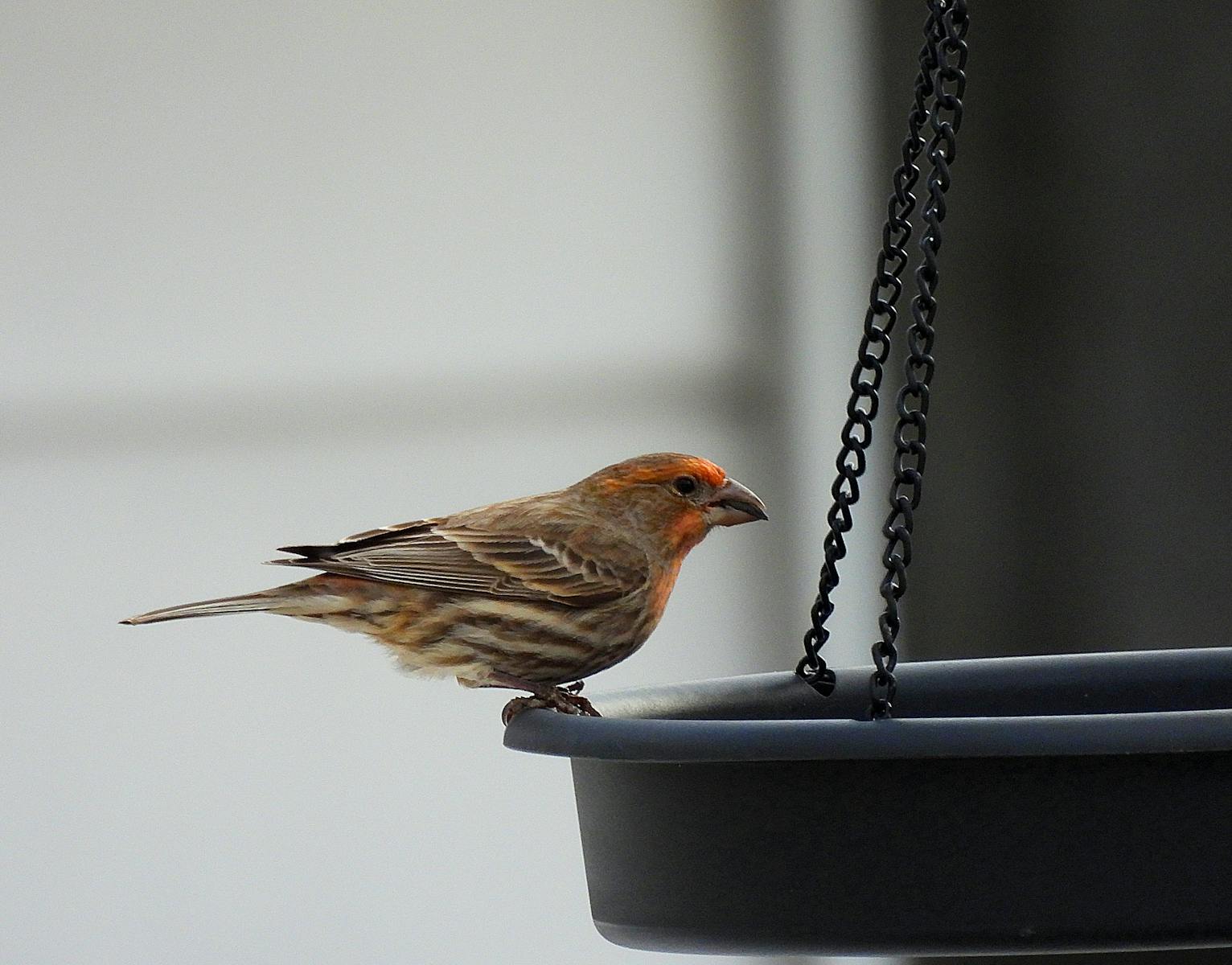


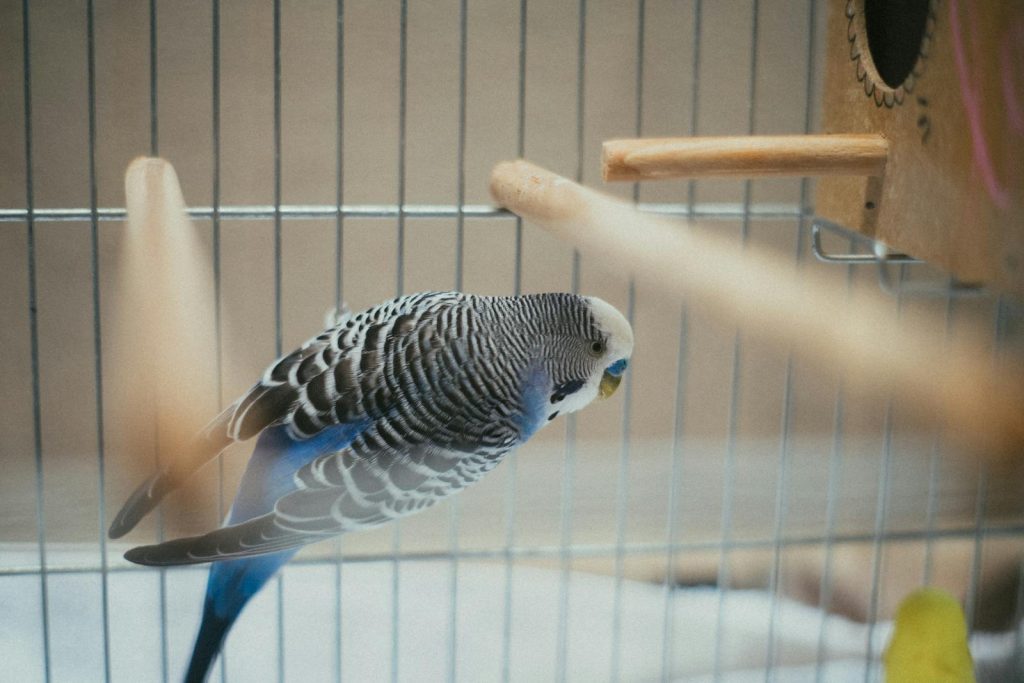
Welcoming a pet bird into our home can be a delightful experience. These feathered companions bring color and song into our lives. We’ve put together a comprehensive bird care guide to ensure your feathered friend lives a long, health, and happy life.
We need to consider many aspects of bird care, such as their diet, habitat, and health. Choosing the right bird for our lifestyle and space is crucial. Setting up their habitat with safe cages, fresh water, and nutritious food helps them thrive. Learning about their behavior and how to train them will build a strong bond between us and our pet birds.
Keeping our birds healthy requires regular veterinary care and attention to any signs of illness. Being proactive about their well-being ensures they enjoy a vibrant life. As we continue this guide, we’ll delve deeper into the essential aspects of bird care.
Key Takeaways
- Choosing the right bird is crucial.
- Proper diet and habitat are essential.
- Regular veterinary care is vital for health.
Choosing the Right Bird
Selecting the perfect pet bird requires careful thought about your lifestyle, the bird’s needs, and the space you have. We’ll discuss factors to consider when choosing a bird and highlight some popular bird species to help guide your decision.
Considerations for Selecting a Pet Bird
When selecting a pet bird, think about the time we can dedicate to bird care daily. Birds like parrots need a lot of interaction and mental stimulation, while other indoor birds might not demand as much attention.
Space is another important factor. According to Marshall, we should choose the largest habitat that our living area can accommodate. Birds should be able to stretch their wings freely in their cage or aviary.
Diet is key to keeping birds healthy. Most species require a balanced diet, as emphasized by the American Veterinary Medical Association. It’s crucial that we provide not just seeds but a varied diet including fruits and vegetables.
Popular Bird Species
For first-time bird owners, some species stand out due to their temperament and care requirements. Budgies are small, friendly, and relatively easy to care for. They are a great option for beginners with limited space. Parakeets are colorful and sociable, making them popular among families.
Parrots are known for their intelligence and ability to mimic sounds. They require a lot of social interaction and mental stimulation.
Cockatiels are charming birds that enjoy human interaction and whistling. They are a wonderful choice for those looking for an affectionate companion. For more insights into different breeds, resources like PetSmart offer comparisons and advice.
Setting Up the Bird Habitat
Creating an ideal environment for our feathered friends involves careful planning and attention to detail. It is essential to focus on the right bird cage setup and ensure a safe, engaging habitat for indoor birds.
Essentials of a Bird Cage
When selecting a bird cage, size is crucial. Birds need ample space to flap their wings and move about comfortably. The spacing between bars should be safe for the bird’s size, preventing them from escaping or getting stuck. It’s important to choose stainless steel or powder-coated cages, as these materials are durable and bird-safe.
Birds enjoy having a variety of perches that vary in width and texture. This helps maintain healthy feet and gives them exercise. Additionally, placing several perches at different heights and distances can stimulate natural behaviors. We should also make sure to install removable trays for easy cleaning.
Placing water and food dishes away from perches minimizes contamination. Bowls should be easily accessible and cleaned regularly. Cage covers can create a sense of security, especially at night or during stressful times, such as thunderstorms.
Creating a Safe and Stimulating Environment
To create a safe environment, we should avoid using toxic materials or objects that can easily break. Windows need to be bird-proofed by using decals or keeping blinds slightly closed to prevent collisions. Regularly clean the cage with bird-safe disinfectants to maintain a hygienic space for our pets.
Engaging environments are important for mental health. We can offer various bird toys like swings, ladders, and ropes that encourage play and exercise. Rotating toys every few weeks keeps the birds interested. Include opportunities for foraging by hiding food in safe puzzles or inside bird-safe toys.
Providing a daily routine that includes interaction and out-of-cage time can enhance their well-being. We should always supervise their playtime to ensure their safety and make adjustments to their surroundings as needed.
Bird Health and Veterinary Care
Taking care of a bird involves regular veterinary visits to keep them healthy. Knowing how to spot illness and understanding common diseases is crucial for us as bird owners.
Routine Check-ups with an Avian Veterinarian
Regular check-ups are important for keeping our birds healthy. An avian veterinarian can catch potential health issues early. During a visit, the vet checks the bird’s weight, beak, feathers, and droppings to ensure everything is normal.
It’s a good idea to schedule at least one annual visit with an avian vet. These professionals are trained to deal with bird-specific issues. They can provide advice on nutrition, caging, and overall care. This guidance helps maintain the bird’s health before problems arise.
Recognizing Signs of Illness
Birds often hide when they’re sick, so we need to pay close attention. Common signs include puffed-up feathers, changes in appetite, and lethargy. If our bird seems quieter than usual or spends more time at the bottom of the cage, it might be time to contact the vet.
Changes in droppings can also signal health problems. We should look for significant changes in color or consistency. By staying observant, we can catch illness early and seek veterinary care promptly.
Common Bird Diseases and Prevention
Psittacosis, also known as parrot fever, is a disease that can affect our birds. It’s caused by a bacteria and can be serious. Symptoms to watch for include respiratory issues and green droppings.
Preventative measures include good hygiene practices, such as regular cage cleaning and quarantine of new birds before introducing them to existing ones. Vaccinations may also be available for some diseases based on our bird’s species and health needs. By working closely with a vet, we can take proactive steps to prevent the spread of diseases.
Nutrition and Feeding
In caring for pet birds, it’s vital to provide a balanced diet that meets their unique nutritional needs. Our focus will be on understanding these requirements, exploring various types of bird food, and establishing effective feeding schedules.
Understanding Nutritional Requirements
Proper nutrition is crucial for the health of our pet birds. Each species of bird has specific dietary needs. For instance, parrots might need more variety including seeds, fruits, and vegetables. Protein is essential for all birds, and we can provide this through small amounts of cooked eggs or tofu. It’s important to recognize that a balanced diet promotes good health and prolongs the lifespan of our feathered companions.
Types of Bird Food
Birds need a variety of foods to thrive. Many experts recommend a diet that includes pellets, fresh vegetables, and a limited amount of fruit. Relying solely on seed diets can lead to nutritional deficiencies. Parrots, finches, and canaries benefit from a mix of seeds and pellets enriched with fruits and veggies. This varied diet mimics their natural food sources and supports good health.
Feeding Schedule and Practices
Creating a consistent feeding routine helps maintain our birds’ health. We should feed them at the same times each day to establish a habit. Most birds enjoy two meals per day, typically in the morning and evening. During feeding, we need to ensure there’s fresh water available and remove any uneaten fresh food promptly to prevent spoilage. This attention to detail ensures our birds stay healthy and happy.
Behavior and Training
Understanding how to interact with our pet birds and train them effectively is crucial for their well-being. This involves fostering social interaction and using specific training techniques that cater to their unique needs.
Social Interaction and Mental Stimulation
Our pet birds thrive on social interaction and mental challenges. Each species, from finches to parrots, needs daily engagement to remain happy and healthy. For instance, playing with bird toys stimulates their minds and keeps boredom at bay. It’s important that we spend time with them, talking and offering treats.
Creating a stimulating environment includes rotating toys every few days to keep things fresh. We should also provide opportunities for flight or exercise, which are crucial for their mental health. Engaging them in simple games, like fetch or puzzle-solving, can also boost their cognitive abilities. Social birds like parrots particularly benefit from interactive play, which strengthens their bond with us.
Training Techniques for Pet Birds
Training our pet birds helps in managing their behavior and building a strong bond. Key techniques include positive reinforcement and consistency. Starting with basic commands such as “step up” is essential. This command facilitates easier handling and mobility check-ups as recommended by the RSPCA.
We need to be patient, as some birds take longer to learn. It’s helpful to create a quiet, distraction-free environment during sessions. Using their favorite treats as rewards encourages them to respond positively. Training should happen regularly, but in short bursts, to prevent frustration. It’s important to remember that positive interactions lead to better-behaved and happier birds.
Frequently Asked Questions
In this section, we address some important questions on bird care. We focus on essentials like nutrition, signs of illness, and how to handle both pet and wild birds, along with tips on hygiene and bird species suitable for beginners.
What are the essentials of caring for a pet bird?
Caring for a pet bird requires a clean cage, fresh food and water, and regular social interaction. Birds need toys for mental stimulation and enough space to move around. Ensuring a balance of these elements helps maintain a bird’s health and happiness.
How do you ensure proper nutrition for captive birds?
Providing a mix of seeds, pellets, fruits, and vegetables is key to meeting dietary needs. Foods like leafy greens and certain fruits are excellent choices. We should avoid feeding birds harmful foods like chocolate and avocado to prevent health issues.
What are the common signs of illness in pet birds?
Illness in birds often manifests as changes in behavior, such as lethargy or reduced appetite. Physical signs can include feather loss, swelling, or discharge from the eyes or nose. Observing these signs early helps in seeking timely veterinary care.
How should an injured wild bird be cared for?
When encountering an injured wild bird, gently place it in a ventilated box and contact a local wildlife rehabilitator for assistance. It is essential not to provide food or water without guidance, as this might cause harm.
What are the best practices for maintaining bird hygiene?
Regularly cleaning the bird’s cage, perches, and bowls is crucial. We should remove uneaten food daily to prevent mold growth. Providing regular baths or misting helps maintain a bird’s feather condition and overall cleanliness.
Which bird species are best for beginner pet owners?
Budgies, cockatiels, and canaries are often recommended for first-time bird owners. These birds are generally friendly, easy to care for, and require less space than larger birds. They offer a great way to learn the basics of bird care.