

Caring for our feline friends is a rewarding experience that brings joy and companionship to our homes. Cat care advice can seem overwhelming at first, but with some basic knowledge, you can ensure your cat lives a healthy and happy life. Regular grooming, proper nutrition, and daily play are essential components of responsible cat ownership that contribute significantly to your pet’s overall wellbeing.
Many cats are naturally clean animals and groom themselves, but they still need our help to stay healthy. Brushing your cat regularly helps keep their coat clean and reduces hairballs. Fresh water should always be available, and providing mental enrichment through daily play is crucial for their quality of life.
Key Takeaways
- Regular grooming and brushing keeps your cat’s coat healthy and reduces shedding around your home.
- Providing fresh water, proper nutrition, and regular veterinary check-ups ensures your cat stays healthy.
- Daily play and mental enrichment activities improve your cat’s quality of life and strengthen your bond.
Essential Cat Care Basics
Taking care of a cat requires knowledge about their basic needs and habits. Cats need proper nutrition, shelter, healthcare, and affection to thrive in your home.
Providing a Safe and Comfortable Home
Cats need spaces where they feel safe and secure. Create multiple resting spots throughout your home, including at least one elevated area where your cat can observe their surroundings.
Make sure windows are secure and remove any toxic plants or dangerous items. Cats are curious and may chew on electrical cords or ingest harmful substances.
A dedicated cat bed provides comfort and a sense of ownership. Place beds in quiet, warm areas away from drafts. Many cats prefer beds with sides for security.
Keep litter boxes in quiet, accessible locations. We recommend having one more litter box than the number of cats in your household to prevent territorial issues.
Fundamental Cat Supplies
Every cat needs several essential items to stay healthy and happy. Start with feeding supplies: ceramic or stainless steel food and water bowls are best as they’re easy to clean and don’t harbor bacteria.
Choose high-quality, protein-rich cat food appropriate for your cat’s age and health status. Fresh water should always be available.
Litter boxes should be large enough for your cat to turn around comfortably. Have cleaning supplies ready, including litter scoop and waste bags.
Other important supplies include:
- Grooming tools (brush or comb)
- Scratching posts
- Safe toys for exercise
- Carrier for vet visits
- Cat tree or shelving for climbing
Establishing a Routine
Cats thrive on consistency. Feed your cat at the same times each day to prevent anxiety and digestive issues. Most adult cats do well with two meals daily.
Set regular playtimes to provide exercise and mental stimulation. Just 10-15 minutes of active play several times daily helps prevent behavior problems and obesity.
Schedule routine health check-ups and maintain a grooming schedule. Most cats need brushing several times weekly to reduce shedding and hairballs, though long-haired cats may need daily attention.
We recommend establishing a bedtime routine that includes a final feeding, playtime, and grooming session to help your cat settle for the night.
Optimal Cat Nutrition and Feeding
Proper nutrition is essential for your cat’s health and longevity. Feeding your cat the right food in appropriate amounts helps maintain ideal weight and prevents many common health issues.
Choosing the Right Cat Food
Cat food comes in different forms: dry, wet, and raw. Cats need high-quality protein as they are obligate carnivores, meaning they require nutrients found only in animal tissues.
When selecting cat food, check the ingredients list. The first ingredient should be a named animal protein like chicken, turkey, or fish—not meat by-products or fillers.
Age-specific formulations matter. Kittens need kitten formula with higher calories and nutrients for growth, while adult cats require balanced maintenance diets. Senior cats benefit from formulas with joint support and appropriate protein levels.
Prescription diets may be necessary for cats with specific health conditions like urinary issues, diabetes, or kidney disease.
We recommend consulting with your veterinarian before making major diet changes, especially if your cat has health concerns.
Hydration and Water Needs
Cats often don’t drink enough water naturally, which can lead to urinary problems. Proper hydration is crucial for kidney function and overall health.
Place multiple water dishes throughout your home to encourage drinking. Many cats prefer moving water, so consider a cat fountain. Always keep water bowls clean and filled with fresh water daily.
Wet food contains about 70-80% water, making it an excellent way to increase your cat’s fluid intake. We suggest feeding at least some wet food to help maintain proper hydration.
Keep water dishes away from food bowls—cats naturally prefer drinking away from their feeding areas.
Appropriate Treats and Supplements
Treats should make up no more than 10-15% of your cat’s daily caloric intake. Too many treats can lead to obesity and nutritional imbalances.
Healthy cat treats include small pieces of cooked chicken or turkey, freeze-dried meat treats, or commercial treats formulated specifically for cats. Avoid giving human foods like chocolate, onions, or dairy products.
Most cats on complete and balanced diets don’t need supplements. However, some may benefit from specific additions like omega-3 fatty acids for skin and coat health.
We advise dividing your cat’s daily food into at least five small meals throughout the day to mimic their natural feeding patterns in the wild.
Always introduce new treats gradually and watch for any adverse reactions that might indicate food sensitivities.
Litter Box Setup and Maintenance
Proper litter box setup and maintenance is essential for keeping your cat happy and your home clean. A well-maintained litter area encourages good bathroom habits and prevents unwanted accidents around your home.
Selecting the Best Litter Box
The right litter box makes a big difference in your cat’s comfort. Choose a box that’s at least 1.5 times the length of your adult cat to give them room to turn around comfortably.
Many cats prefer uncovered boxes because they offer better visibility and escape routes. However, if your cat likes privacy, a covered option might work better.
Remember to provide enough boxes for your household. The general rule is one box per cat, plus one extra. Some cats prefer to urinate in one box and defecate in another, so having options helps prevent accidents.
Place litter boxes in quiet, accessible locations away from food and water. Avoid high-traffic areas or near noisy appliances that might startle your cat during use.
Effective Cat Litter Choices
Unscented litter is usually best since cats have sensitive noses and may avoid strongly scented options. Clumping litter makes daily scooping easier but non-clumping varieties can work too.
Consider your cat’s preferences when choosing litter texture. Most cats prefer fine-grained, sand-like materials that feel natural under their paws. If your cat seems unhappy with their litter, try a different type.
Depth matters too. Fill the box with about 2-3 inches of litter – enough for digging but not so much that it spills over the sides.
When introducing a new litter, mix it gradually with the old kind to help your cat adjust to the change. Sudden switches can cause some cats to avoid the box entirely.
Maintaining Cleanliness and Odor Control
Scoop the litter box at least once daily to remove waste. Regular scooping keeps odors down and makes the box more inviting for your cat.
Every two weeks, completely empty the litter box and wash it thoroughly with unscented dish soap and hot water. Rinse well to remove any soap residue that might irritate your cat’s paws.
Avoid using harsh chemicals or strong-smelling cleaners that could deter your cat from using the box. Bleach solutions should be well-rinsed and completely dry before adding fresh litter.
Replace plastic litter boxes every year, as they can develop microscopic scratches that trap bacteria and odor. Even with regular cleaning, these scratches can hold smells that we can’t detect but cats can.
Health, Wellness, and Veterinary Care
Keeping your cat healthy requires regular medical attention and preventive care. A well-rounded health plan includes routine vet visits, proper vaccinations, disease prevention, and attention to your cat’s physical mobility.
Regular Veterinary Visits
Cats need regular check-ups with a veterinarian, even when they appear healthy. We recommend taking your cat to the vet at least once a year, and twice yearly for older cats or those with existing health conditions.
During these visits, your vet will perform a complete physical examination, check your cat’s weight, and assess overall health. These routine appointments help detect problems early when they’re typically easier and less expensive to treat.
Dental care is another crucial part of these visits. Many cats develop dental disease by age three, which can lead to pain and other health issues if left untreated.
Between vet visits, monitor your cat for any changes in behavior, appetite, water consumption, or litter box habits, as these could signal health problems.
Understanding Vaccinations
Vaccinations protect your cat from several dangerous and potentially fatal diseases. The core vaccines every cat should receive include:
- Rabies: Required by law in most areas
- FVRCP: Protects against feline viral rhinotracheitis, calicivirus, and panleukopenia
- Feline Leukemia: Often recommended for outdoor cats or those in multi-cat households
Kittens typically start their vaccination series at 6-8 weeks of age, with boosters every 3-4 weeks until about 16 weeks old. Adult cats need regular boosters, though the schedule varies by vaccine type.
Your vet will recommend a vaccination plan based on your cat’s age, health status, and lifestyle. Indoor-only cats may need fewer vaccines than cats with outdoor access.
Feline Infectious Diseases
Cats can contract several infectious diseases that proper care helps prevent. Feline leukemia virus (FeLV) is a serious viral infection spread through close contact with infected cats. It weakens the immune system and can lead to cancer.
Feline immunodeficiency virus (FIV) works similarly to HIV in humans, compromising immune function. Both FeLV and FIV testing should be part of your cat’s routine care.
Upper respiratory infections are common in cats, especially in multi-cat environments. Symptoms include sneezing, congestion, and eye discharge.
Parasites like fleas, ticks, and intestinal worms can cause significant health problems. Year-round preventive medications protect your cat from these threats.
Regular testing for these conditions, especially in new cats entering your home, helps prevent transmission to other pets.
Promoting Joint Health
Cats are natural athletes, but joint problems can develop as they age. Obesity puts extra strain on joints, so maintaining a healthy weight is essential for good mobility.
Provide opportunities for exercise with interactive toys and climbing structures. Even indoor cats need daily physical activity to keep joints flexible and muscles strong.
For older cats, consider adding joint supplements containing glucosamine and chondroitin to their diet. These supplements may help support cartilage health and reduce inflammation.
Watch for signs of joint discomfort, such as:
- Reluctance to jump or climb
- Stiffness after resting
- Limping or favoring certain limbs
- Decreased grooming, especially in hard-to-reach areas
If you notice these signs, consult your veterinarian. Early intervention can slow the progression of arthritis and other joint conditions.
Enrichment, Grooming, and Socialization
Proper cat care extends beyond food and shelter to include activities that engage their minds, maintain their physical health, and develop their social skills. These elements are crucial for a happy, healthy feline companion.
Scratching Posts and Play Structures
Scratching posts are essential for cats to maintain healthy claws and engage in natural behaviors. We recommend placing multiple posts throughout your home, especially near sleeping areas and in social spaces.
Look for sturdy posts at least 3 feet tall that won’t wobble when your cat uses them. Materials matter too – sisal rope provides excellent texture for claw maintenance, while carpeted posts may be more appealing to some cats.
Play structures like cat trees serve multiple purposes:
- They provide vertical territory
- They offer secure resting places
- They create opportunities for exercise
For smaller homes, wall-mounted shelves and window perches can save floor space while still giving your cat climbing opportunities. Rotate toys regularly to maintain interest and prevent boredom.
Effective Cat Grooming Techniques
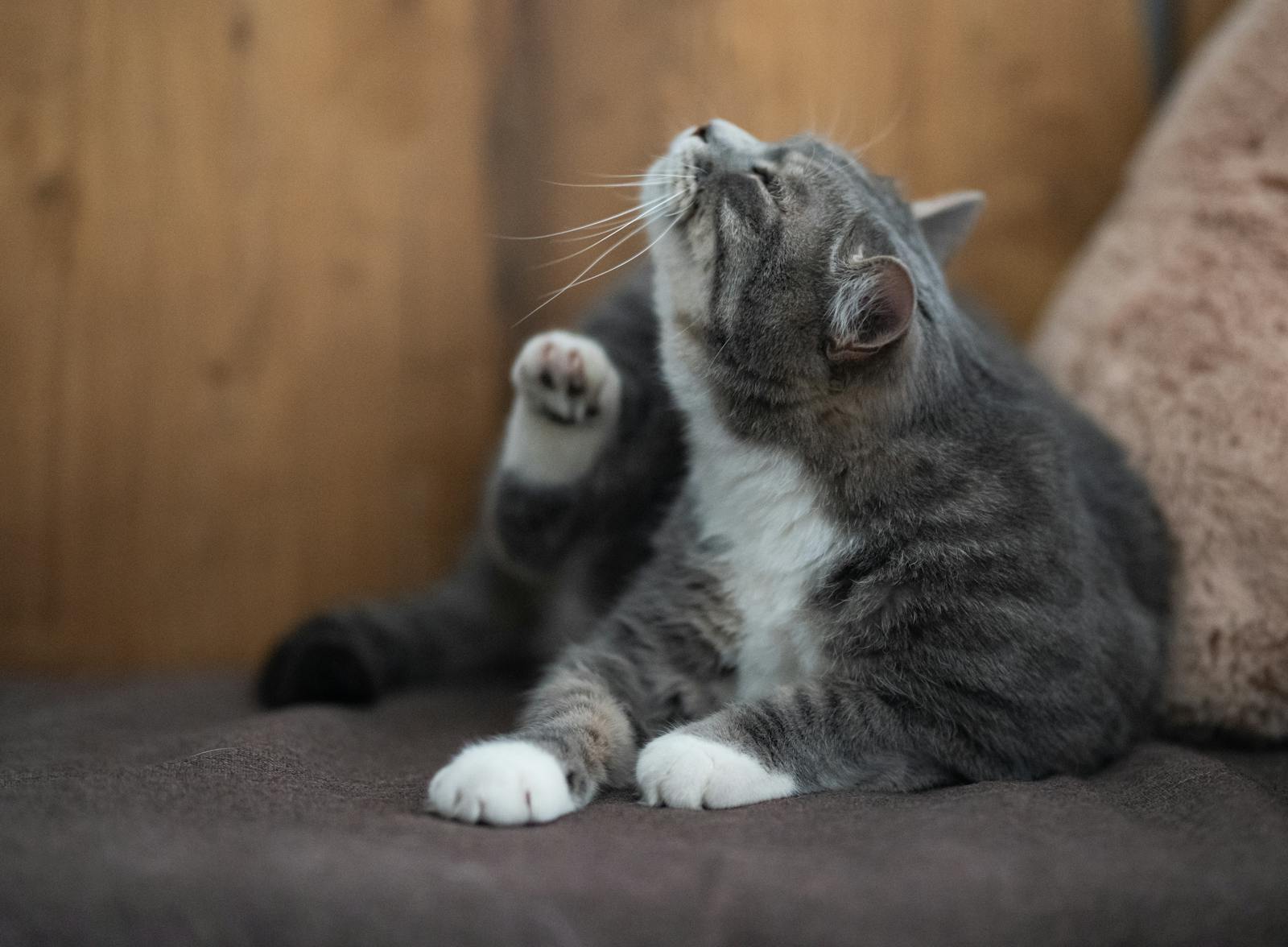
Regular grooming prevents hairballs, distributes natural oils, and gives you a chance to check for skin problems. Short-haired cats typically need brushing once weekly, while long-haired breeds may require daily attention.
Start grooming sessions when your cat is relaxed. Keep sessions brief at first – just 5-10 minutes – and gradually extend them as your cat becomes comfortable.
Essential grooming tools:
- Slicker brush for removing loose fur
- Metal comb for detangling
- Nail clippers designed for cats
Brush in the direction of hair growth using gentle, short strokes. Pay special attention to areas prone to matting like behind the ears and under the legs.
For nail trimming, press gently on the toe pad to extend the claw, and cut only the transparent tip, avoiding the pink quick.
Socializing Indoor Cats
Indoor cats need socialization to prevent fearfulness and behavioral problems. We find that gradual introduction to new experiences works best for most cats.
Create positive associations with people by:
- Offering treats during interactions
- Respecting your cat’s comfort level
- Using play as bonding time
For shy cats, allow them to approach on their own terms. Forcing interaction can increase anxiety rather than reduce it. Use interactive toys to engage from a distance if direct contact seems stressful.
Consider setting up bird feeders near windows or playing cat-specific videos to provide environmental enrichment. Some cats also enjoy supervised harness time outdoors once properly acclimated.
Social enrichment with other pets should happen gradually, always providing safe retreat spaces for your cat if they feel overwhelmed.