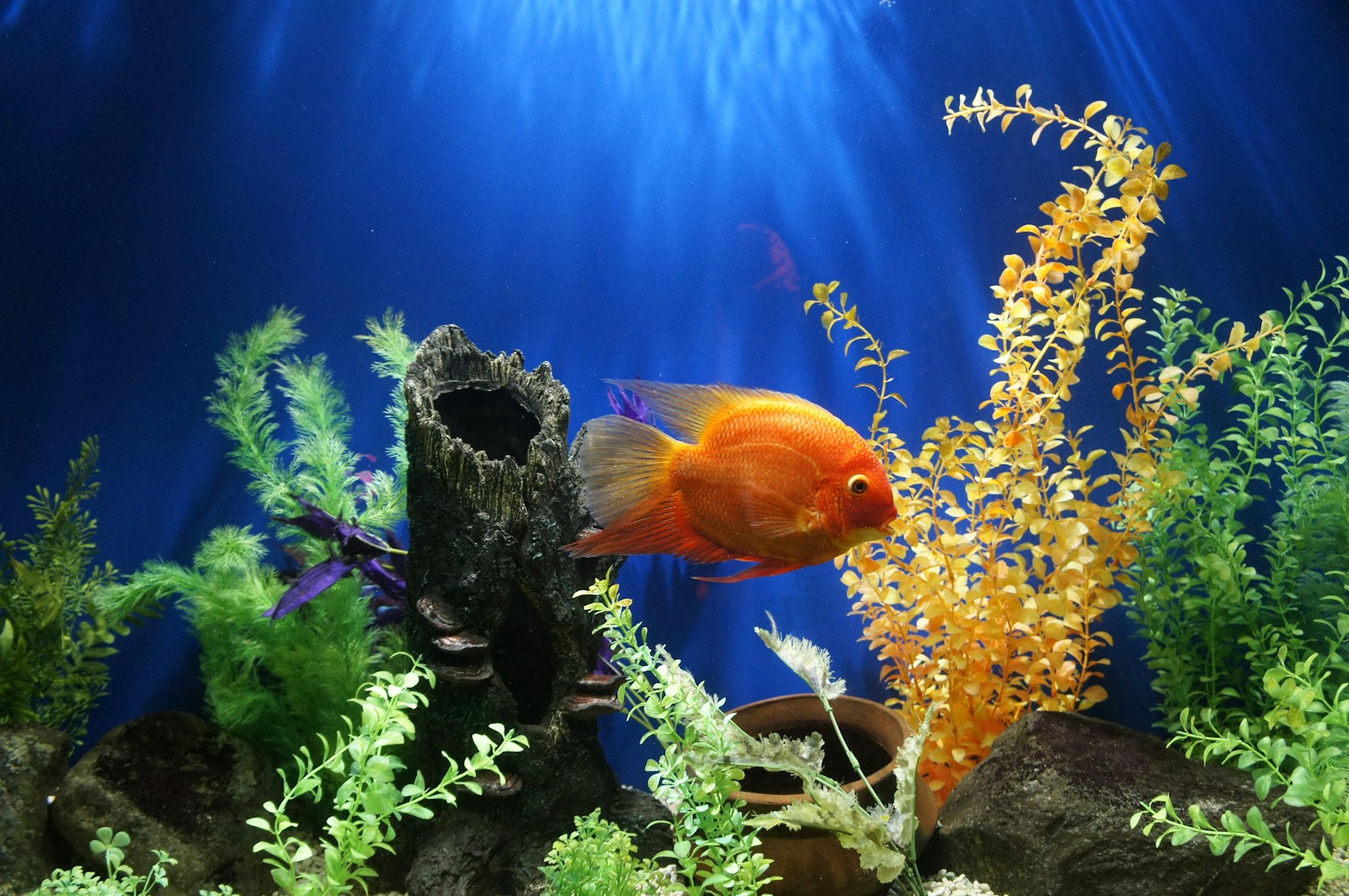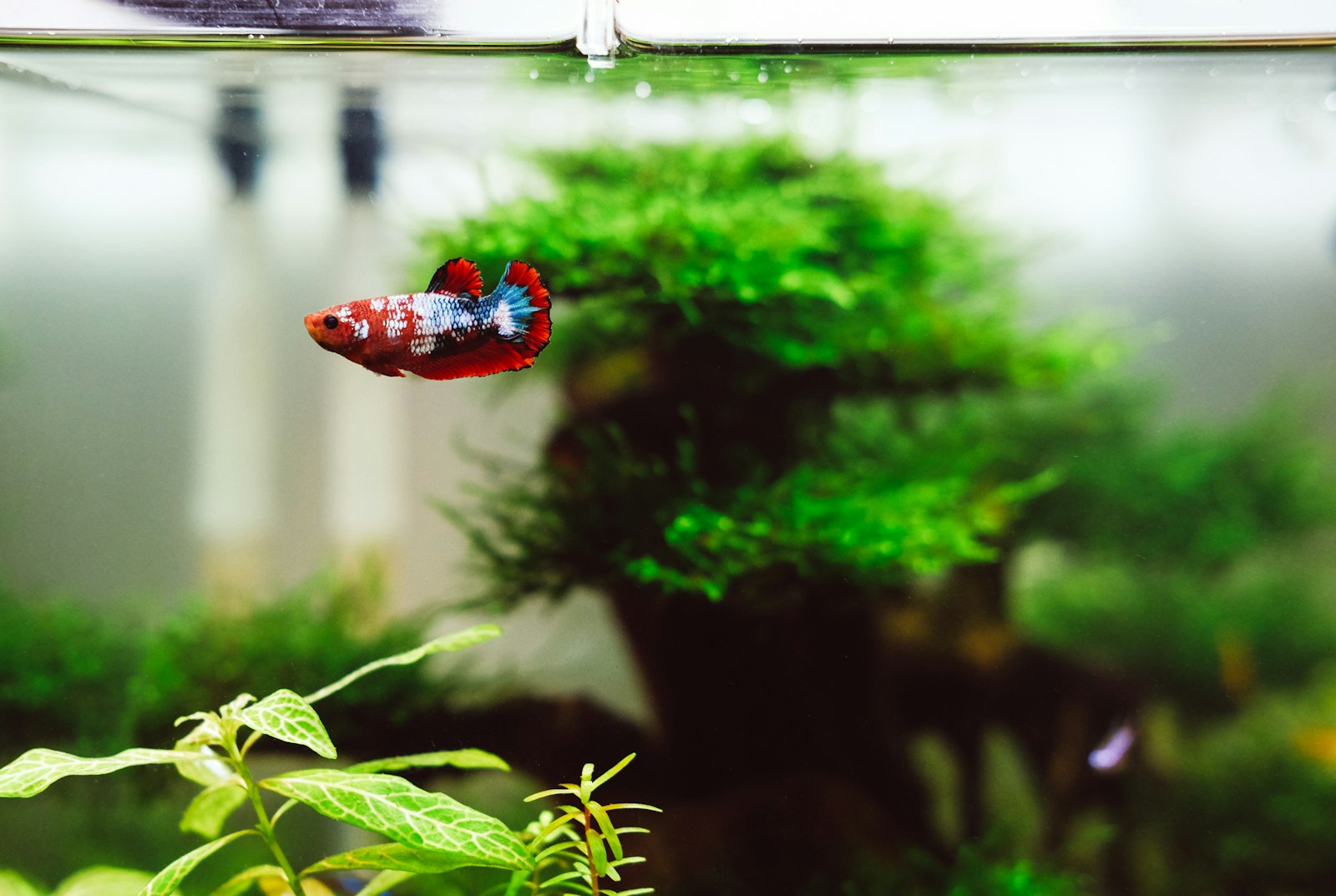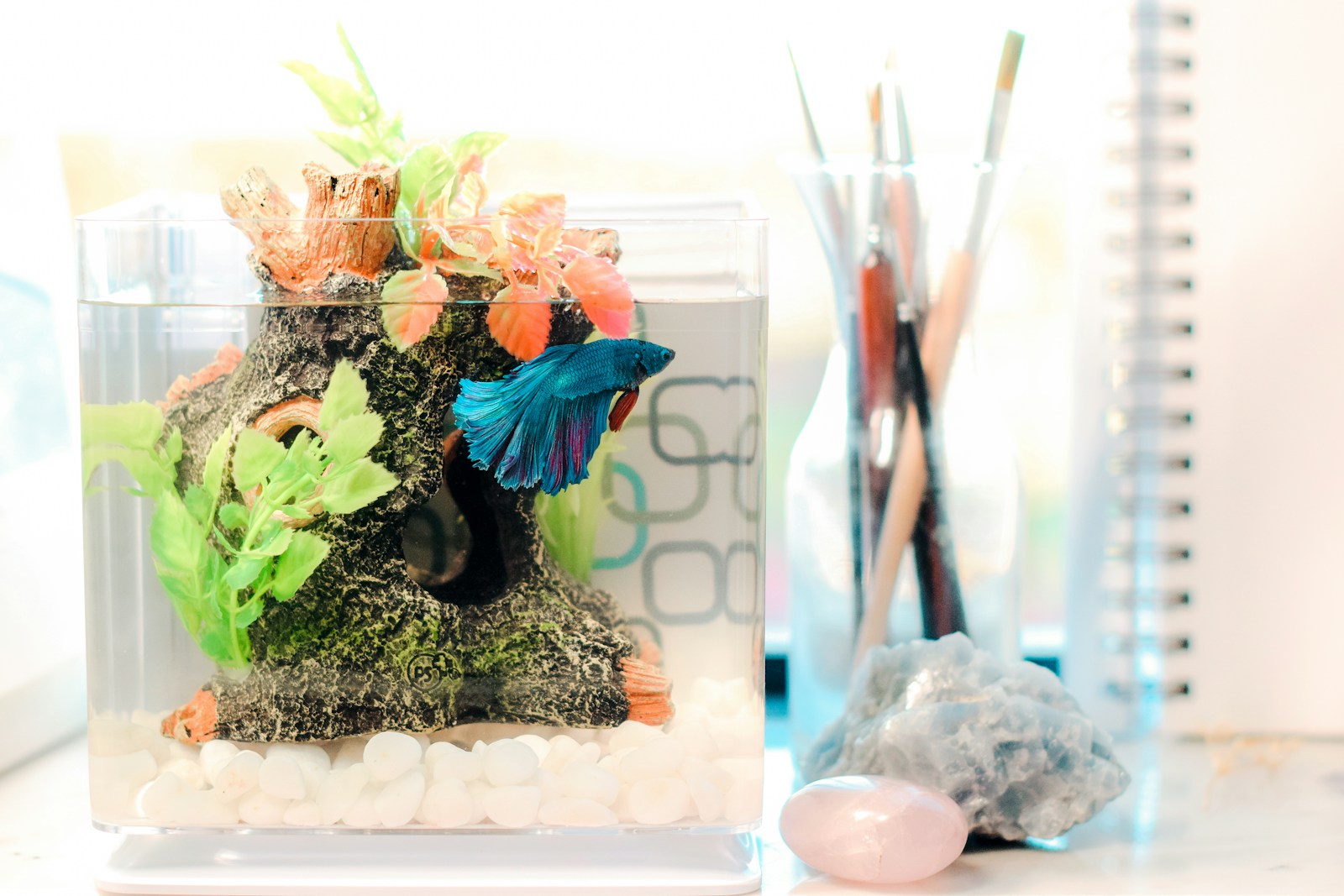


Picking out the right fish tank might be one of the biggest decisions you’ll face as a new aquarium hobbyist. Honestly, I’ve seen so many beginners rush to buy a tank without really looking into it, and that just sets them up for headaches later. Bigger tanks usually work out better since they keep water and temperature more stable, which means less stress for you and a healthier home for your fish.
When you’re choosing an aquarium, think about the space you actually have at home and what your future fish need. That old rule—one inch of fish per gallon—is a decent starting point, but some fish need more room because they get territorial or just grow bigger than you’d expect. If you start with a 20-30 gallon tank, you’ll have more options for fish and it’s still pretty manageable for beginners.
Key Takeaways
- Larger tanks (20+ gallons) tend to keep conditions more stable and usually end up being easier to care for than the tiny ones.
- Make sure the tank fits your space and suits the fish you want—not just the other way around.
- Plan ahead before buying anything. It seriously helps you avoid classic mistakes and gives your fish a much better shot at a happy life.
Understanding Fish Tank Types
Fish tanks come in all sorts of materials, shapes, and designs. Each one has its own ups and downs that can change your whole fish-keeping experience.
Glass Tanks vs. Acrylic Tanks
Most people stick with glass tanks. They don’t scratch as easily as acrylic and they stay clear for years. Plus, glass tanks usually cost less than the same size in acrylic. The downside? They’re heavier and can break more easily if you’re not careful moving them.
Acrylic tanks, on the other hand, are lighter and can take a bump better—so they’re safer if you’ve got kids or pets running around. They insulate better too, which helps keep the water temperature steady. And manufacturers can mold acrylic into all sorts of funky shapes you just can’t get with glass.
But acrylic scratches pretty easily. Sure, you can buff those scratches out, but it’s a hassle and you’ll need special tools. Over time, acrylic tanks might start to yellow, especially if they sit in direct sunlight.
Rectangular and Specialty Tank Shapes
Rectangular tanks are still the fan favorite. They give you the most water for the space they take up and you can see your fish from just about every angle. Plus, it’s way easier to find hoods, filters, and lights that fit a standard rectangle.
Some other shapes you’ll see:
- Bow-front tanks – rectangles with a curved front
- Cube tanks – same height, width, and depth
- Pentagon tanks – made for corners
- Column tanks – tall but don’t take up much floor space
Each shape changes how your fish swim. Longer tanks let fish swim back and forth more, which is what a lot of species like. So, when you pick a shape, keep in mind where your fish come from and how they move in the wild.
Goldfish Bowls and Alternatives
Goldfish bowls? Just skip them. Most experts have moved on from those. They’re too small, don’t let in enough oxygen, and never have proper filtration. The curved glass even messes with the fish’s vision, which can stress them out.
If you’re dealing with a small space, you’ve got better options:
- Nano tanks (5-10 gallons) that have built-in filters
- Desktop aquariums with heaters and lights
- Betta tanks that actually come with the right equipment
Even tiny fish need room to swim and stable water. I’d say don’t go smaller than 5 gallons for a single betta, and if you want goldfish (which get huge, by the way), start at 20 gallons.
Smaller tanks mean water parameters change quickly, so you’ll have to keep a closer eye on things and do more regular maintenance.
Selecting the Appropriate Tank Size
Tank size makes a huge difference for your fish’s health and how much work you’ll have to do. The “one gallon per inch of fish” rule gives you a rough idea, but there’s more to it if you want your fish to actually thrive.
Surface Area and Gas Exchange
When you’re picking a tank, don’t just look at the gallons—look at the surface area. More surface area means better gas exchange, which is critical for your fish. Oxygen enters and carbon dioxide leaves right at the water’s surface.
Tanks with more surface area give your fish more oxygen, and some species really need that.
If you’ve got two tanks that hold the same amount of water, the one with a bigger surface area will almost always support more fish. A long, shallow 20-gallon tank is usually a better bet than a tall, skinny one.
Go for tanks with a larger footprint instead of tall, column-style ones—especially for freshwater setups.
Considering Large Tanks and Community Tanks
Bigger tanks usually make life easier, especially if you’re new to all this. They keep water parameters more stable and dilute toxins, so you don’t have to stress as much over little mistakes.
A 20-gallon tank is a solid starting point, but 30-55 gallons gives you even more options. With a bigger tank, you’ll get:
- Fewer water changes
- More stable temperatures
- Better waste dilution
- Room for your fish to grow
If you want a community tank with a mix of species, size becomes even more important. At least 30 gallons is best for a basic community setup. That way, fish can claim their own space and you’ll see less fighting.
Some fish need specific tank sizes, no matter what the inch-per-gallon rule says. Always look up what your chosen fish need before you buy anything.
Choosing Essential Equipment
Setting up your tank right means you’ll need some gear to keep your fish healthy. The right equipment keeps water clean and at the right temperature—both pretty non-negotiable.
Heaters and Thermometers
A good heater is a must for most freshwater and saltwater tanks. Fish are cold-blooded, so they rely on you to keep the temperature steady. Aim for a heater with about 3-5 watts per gallon.
Stick the heater near where water moves the most so the heat spreads out evenly. If your tank is over 40 gallons, use two smaller heaters instead of one big one—it’s safer and keeps the temperature more even.
Don’t forget a reliable thermometer. Digital ones are more accurate than the stick-on types. Put your thermometer on the other side of the tank from the heater, so you can spot any cold spots.
Check the temperature every day. Most tropical fish like it between 75-80°F (24-27°C).
Effective Filtration Systems
Filtration is the heart of your aquarium. A good filter does three jobs: mechanical, biological, and chemical filtration.
Mechanical filtration pulls out visible gunk and debris. Look for filters with media you can easily swap out before it clogs.
Biological filtration is essential. It lets good bacteria grow, which break down toxic ammonia. The Marineland Bio-Wheel is a favorite for a lot of people because its spinning wheel handles biological filtration really well.
Pick a filter rated for a tank a bit bigger than yours. That way, you’ll get better water flow and enough filtration.
Chemical filtration, usually with activated carbon, pulls out meds, smells, and weird colors. Change the carbon every month for best results.
Setting Up Your Aquarium Environment
How you set up your tank matters for both your fish’s health and how your aquarium looks. The substrate and decorations you choose will affect everything from water quality to fish behavior.
Choosing Substrate and Decorations
Substrate is basically the base layer of your tank. For most freshwater setups, aquarium gravel is a solid pick. It gives bacteria a place to grow and helps keep the water clean. Go for about 1-2 inches deep.
Sand works too, especially for bottom-dwelling fish that like to dig. Just remember, sand can pack down and create spots with no oxygen.
Pick decorations that look good but also give your fish places to hide and explore:
- Caves and hiding spots – Fish need somewhere to chill when they’re stressed
- Driftwood – Looks great and can soften the water
- Rocks – Make territories and create a natural vibe
Skip anything sharp that could hurt your fish. Always rinse substrate and decorations before putting them in to get rid of dust and chemicals.
Aquarium Plants and Aquascaping
Live plants do a lot for your tank—they make oxygen, soak up nitrates, and give fish a place to hide. Some easy plants to start with:
- Anubias
- Java fern
- Amazon sword
- Hornwort
When you’re arranging things, try the rule of thirds—put big plants or standout decorations off-center to make things look more balanced.
Plant taller stuff in the back, shorter plants up front, and leave the middle open for swimming. I like to make “zones”—maybe a planted corner, a rocky area, and some open space.
Think about what your fish like. Some need open water, others want thick plants to hide in.
Stocking Your Fish Tank Responsibly
After you’ve picked your tank size, stocking it right is key for happy, healthy fish. The number and type of fish should match what your tank can handle and how much work you’re willing to put in.
Selecting Freshwater and Tropical Fish
For freshwater tanks, the one-inch-per-gallon rule gives you a starting point. So, a 10-gallon tank could handle about 10 inches of fish, total. But remember, it’s just a ballpark.
Think about how big your fish will get, not just how small they look at the store. A lot of tropical fish start tiny and then get much bigger.
If you want schools of small fish—like tetras, rasboras, or danios—they’ll look great in groups of six or more.
Not all fish get along. Make sure you check their temperaments, water needs, and swimming habits before mixing species.
If you’re just starting out, hardy fish like platies, guppies, and corydoras catfish are great. They’re tough, adapt well, and usually don’t cause trouble.
Caring for African Cichlids
African cichlids need a bit more thought. They’re gorgeous, but they’re also territorial and need more space. You’ll want at least a 30-gallon tank for most species.
Funny enough, packing the tank with more cichlids can cut down on aggression, since no single fish can claim a huge area. But you’ll need top-notch filtration since that means more waste.
Stick to cichlids from the same lake system—Malawi, Tanganyika, or Victoria—since their needs and behaviors differ.
Load up the tank with rocks and caves. These break up territories and give fish places to duck into when things get heated.
Tank mates for African cichlids are pretty limited, thanks to their attitude. Sometimes, bottom-dwelling catfish like Synodontis can get along with them.
Maintaining Optimal Tank Conditions
Keeping your aquarium in good shape takes regular effort. Healthy, clean water means healthy fish and a tank you’ll actually enjoy looking at.
Monitoring Water Quality and Performing Water Changes
Water quality is everything. Test your water every week with a kit that checks pH, ammonia, nitrite, and nitrate.
Test your tap water before adding it to the tank—hot and cold water can have different stuff in it that affects your fish.
Change out 20-25% of the water every two weeks for most tanks. If you’ve got a bigger tank, you might get away with less frequent changes, but smaller tanks will need more.
A good siphon hose with a gravel vacuum makes water changes way easier. It lets you clean the substrate while you’re removing water.
Never swap out all the water at once. That can shock your fish and wipe out the good bacteria that keep your tank balanced.
Feeding and Cleaning Tools
Feeding your fish properly really matters for their health. I recommend picking out high-quality food that fits your particular species—most fish seem to do best with a mix, not just the same thing every day.
Try feeding small amounts once or twice a day instead of dumping in a big meal all at once. Aim for your fish to finish eating within two or three minutes; any extra food just ends up making the water dirty.
If you’re out of the house a lot, an automatic feeder might save you some stress. Still, I wouldn’t count on it for every feeding—nothing beats a little personal attention.
You’ll want a few basic cleaning tools:
- Fish net: Grab a soft, fine-mesh net for moving your fish when you have to.
- Algae scraper: This tool helps you scrape algae off the glass or acrylic.
- Filter brush: Use this to clean filter parts, but go easy so you don’t wipe out the good bacteria.
Keep all your maintenance gear far from household cleaners. Even a bit of contamination could mess things up for your fish.