

Bringing a new puppy or dog home is honestly one of life’s pure joys—wagging tails, warm cuddles, and all that excitement. Getting the basics of dog and puppy care down is so important for building a real, loving connection with your furry friend. Every step, from picking a breed that fits your lifestyle to establishing a daily routine, matters when you’re trying to make your place feel safe and welcoming for your pet.
As you start this journey, don’t overlook their nutrition and health. Giving them balanced meals and making sure they see the vet regularly keeps them growing strong. If you use positive reinforcement techniques during training, you’ll encourage good behavior and help create a peaceful home for everyone.
Playtime and downtime are just as important. Puppies—believe it or not—need 18 to 20 hours of sleep each day to recharge and stay healthy. Sticking to a regular schedule for meals, exercise, and bathroom breaks helps them know what to expect, which lowers stress and keeps them happy. Let’s dig into these topics and see how to give our dogs the best care we can.
Choosing Your Canine Companion
Picking the right dog means thinking through a few things. You’ll want to consider breed traits and whether you’re really ready for adoption. When you understand different breeds, you can better match their personalities to your daily life. Being prepared makes the transition smoother for everyone—your family and the dog.
Understanding Breeds and Temperaments
Choosing a breed is all about knowing what you want and what you can handle. Breeds come in all shapes and sizes, with different energy levels, grooming needs, and personalities. Some dogs are super active and need lots of space, while others are chill and happy in a small apartment.
Don’t forget about socialization needs. Some breeds are naturally outgoing, while others might be more independent or even a little standoffish. Knowing these quirks helps you pick a dog that fits your lifestyle.
Crossbreeds are worth considering too. They can bring together the best traits from two breeds. Take some time to research, so you find a dog that matches your daily routine and family vibe. You might find resources like the Ultimate Guide to Choosing the Right Canine Companion helpful.
Preparation for Adoption
Getting ready for a new dog takes some effort. First, make sure your home is pet-friendly. You’ll need enough space and a cozy spot for them to sleep. Gather the basics—food, bowls, leashes, toys—before your dog arrives.
Set up a routine to help your dog settle in. Plan out feeding times, walks, and training sessions. Think about allergies or special needs anyone in your household might have before you bring your new friend home.
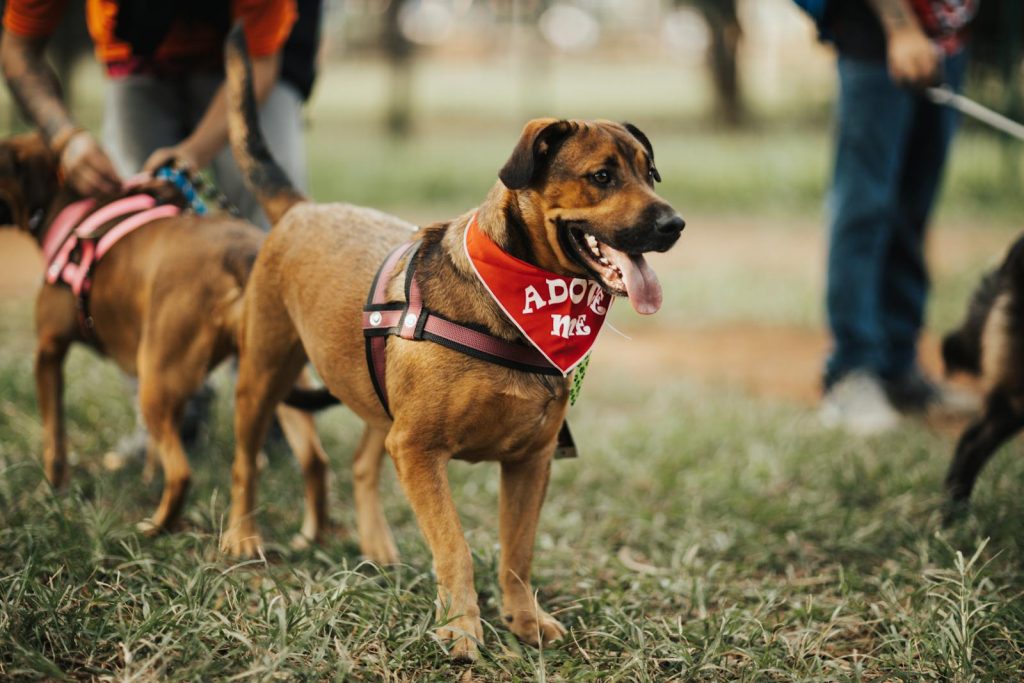
It’s smart to meet the dog before adopting. Visiting shelters or breeders lets you see how the dog acts and how they get along with your family. The Complete Guide to Puppy and Dog Care recommends this too. Adopting a dog is a big deal, but if you’re prepared, it’s one of the most rewarding things you’ll ever do.
Puppy Nutrition and Feeding
Puppy nutrition is a big deal—they grow fast and burn a lot of energy. You’ll want to get the timing and amount of food right, and pick foods that actually meet their needs.
Feeding When and How Much
Puppies have pretty specific dietary needs, so feeding them the right way matters. Usually, they start eating solid food around four weeks old. At first, feed them four times a day, then drop to three meals as they get bigger.
By six months, most puppies do well with two meals a day. Small breeds might stick to this, but big breeds sometimes need a bit more. Watch how your puppy grows and adjust portions to keep them at a healthy weight. Puppies burn way more calories than adult dogs—sometimes double—so keep an eye on how much they eat to meet their energy needs.
Choosing the Right Puppy Food
Picking the right puppy food sets them up for good health. Look for foods high in protein and loaded with nutrients like calcium and vitamins. Brands that make puppy-specific formulas are usually a safe bet.
If you have a large breed puppy, special foods can help prevent joint problems later. When switching foods, do it slowly—mix the old and new food over a week or so to avoid tummy trouble. Stick with trusted brands that have balanced nutrition, and you’ll give your puppy a strong start.
Training Your Dog
Training your dog is key if you want a well-behaved pet who fits into your life. The right techniques help you communicate and build trust, while also teaching discipline.
Basic Obedience Training
Start with the basics—commands like “sit,” “stay,” and “come” lay the groundwork for good behavior. Practice every day, because dogs learn best with repetition. Use treats or praise to reward them when they get it right.
Timing matters. Give rewards right after they do what you want, so they connect the dots. Begin in a quiet spot with few distractions, then gradually practice in busier places. Every dog learns at their own pace, so patience is your friend here.
Crate Training Essentials
Crate training gives your dog a safe place to chill out, and it helps with housebreaking too. Choose a crate that’s big enough for your dog to stand, turn around, and lie down. At first, leave the door open and let them check it out on their own.
Make the crate a happy place—toss in some favorite toys or treats. Slowly increase the time they spend inside with the door closed. Watch how they react, and never use the crate as punishment. Go slow so your dog learns to love their crate and feels secure.
Behavioural and Social Training
Behavioral and social training helps your dog handle new situations and people. Start by introducing them to different places, sounds, and people while they’re young. This lowers their chances of becoming fearful or anxious later.
Encourage calm behavior and reward them when they act appropriately. Leash training is a must for walks. If your dog barks too much or acts aggressive, use consistent commands and rewards to guide them. Socializing with other dogs and people keeps your dog friendly and well-adjusted.
Healthcare for Your Dog
Keeping your dog healthy means regular vet visits, up-to-date vaccinations, and knowing how to spot when something’s wrong. These steps help your dog stay active and happy.
Routine Veterinary Visits
Regular vet visits keep your dog in good shape. Adult dogs usually need a check-up once a year. Puppies should see the vet every 3 to 4 weeks until they’re about four months old. During these visits, vets check for health problems you might not notice.
They’ll also give advice on nutrition, exercise, and lifestyle for your dog. Catching issues early can prevent bigger problems down the line. Keeping up with vet appointments helps your dog stay healthy for years.
Vaccinations and Preventative Medicines
Vaccinations protect your dog from nasty diseases. The big ones are rabies, distemper, and parvovirus. Stick to the vaccination schedule, especially for puppies—they’re more at risk. Don’t forget booster shots to keep their immunity strong.
Preventative meds matter too. Treat for fleas, ticks, and heartworms regularly. These pests can cause serious health problems if you let them go unchecked. Talk to your vet about what’s best for your dog’s environment and lifestyle.
How to Recognize Signs of Illness
Spotting when your dog isn’t feeling well can make a huge difference. Watch for things like sudden changes in appetite, unexplained weight loss, or a cough that won’t quit. Vomiting, diarrhea, or acting really tired are also red flags.
Pay attention to changes in behavior—like if your dog suddenly gets aggressive or hides more than usual. If you catch problems early, you can usually treat them before they get serious. Stay alert and you’ll help your dog live a longer, happier life.
Daily Care and Wellness
Your dog depends on you for daily care. That means making sure they get enough exercise and keeping up with grooming. These routines keep them healthy and happy, inside and out.
Exercise and Playtime
Dogs need exercise to stay in shape and burn off energy. Aim for 30 minutes to 2 hours of activity, depending on their age and breed. Walks, runs, or games of fetch all work. Playtime also brings you closer together and keeps them from getting bored.
Pick toys that are safe and sturdy, and the right size. Rope toys, balls, and puzzle toys are usually hits. Pay attention to which toys your dog likes, and swap them out if they lose interest. Daily exercise helps prevent obesity and cuts down on stress and anxiety.
Grooming Routines
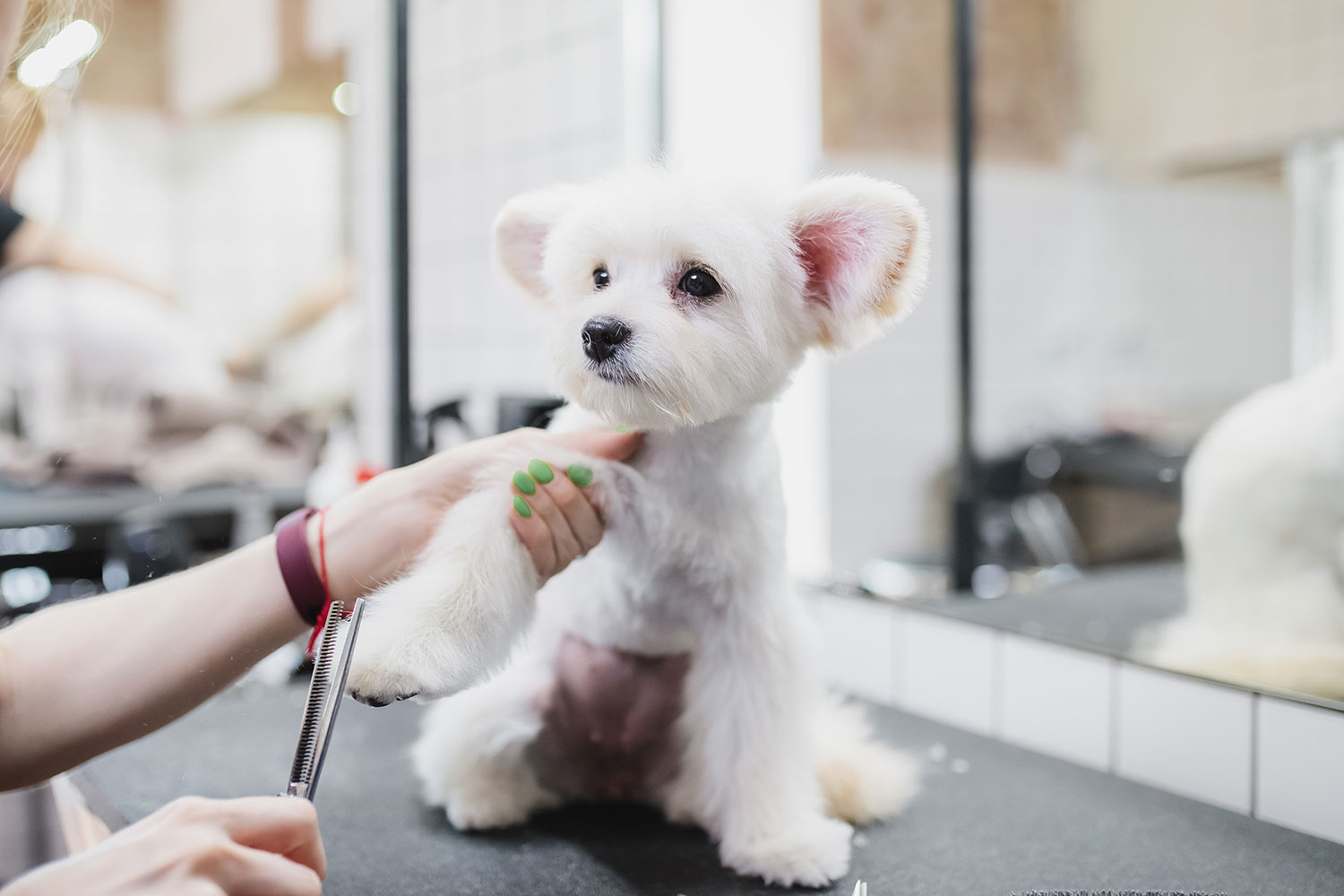
Grooming is more than just making your dog look good—it’s about health. Brush long-haired dogs every day, and short-haired ones about once a week. Regular brushing keeps their coat healthy and reduces shedding.
Baths every 4-6 weeks are usually enough, unless your dog gets extra dirty. Use a dog-specific shampoo to protect their skin. Trim their nails every few weeks so they don’t get uncomfortable. Check their ears for gunk to prevent infections.
Grooming time is also a good chance to feel for any lumps or skin issues. If you make grooming a positive thing, your dog will relax and even enjoy it.
The Journey of Raising a Puppy
Raising a puppy is a wild ride—full of milestones, challenges, and tons of learning. We’ll look at the key stages puppies go through and some extra care tips to help your pup grow into a healthy, well-behaved adult.
Developmental Milestones
Puppies hit a lot of milestones in their first year. Between birth and eight weeks, they pick up basic social skills and coordination from their mom and siblings. From eight to twelve weeks, they get curious and start exploring, which is the perfect time to teach simple commands like sit and stay.
Between twelve weeks and six months, socialization is huge. Exposing them to new places, people, and other animals helps them become confident, well-adjusted dogs. Around six months, puberty kicks in, and your puppy might start testing limits, so keep training consistent. If you know these developmental milestones, you can support your puppy every step of the way.
Advanced Puppy Care Techniques
Once your pup knows the basics, you can try more advanced stuff. Positive reinforcement—using treats and praise—teaches good habits without fear. It makes learning fun for both of you.
Crate training is great for setting boundaries and keeping your puppy safe. It gives them a spot where they feel secure, which helps with house training. Don’t forget about nutrition and regular vet visits—they’re just as important. If you want to dive deeper, check out guides like the Ultimate Guide to Raising a Puppy.
Frequently Asked Questions
Let’s tackle some of the most common questions dog and puppy owners ask. We’ll talk about socialization and training rules, diet tips, must-have vaccinations, house training tricks, and how to help your dog settle into a new home.
What does the 7-7-7 rule entail for dog socialization?
The 7-7-7 rule means you introduce your puppy to 7 new people, 7 different surfaces, and 7 different places early on. This helps them build confidence and learn to adapt to new environments.
How is the 10-10-10 rule applied to puppy training?
The 10-10-10 rule suggests you train your puppy for 10 minutes, 10 times a day, and give a reward within 10 seconds of good behavior. Keeping sessions short and sweet helps your puppy learn without getting overwhelmed.
Can you explain the 90/10 rule for dog diet management?
The 90/10 rule says 90% of your dog’s calories should come from balanced dog food, and just 10% from treats. This keeps them healthy while still letting them enjoy the occasional snack.
What are the essential vaccinations for a new puppy?
Puppies need core vaccinations for distemper, parvovirus, hepatitis, and rabies. Make sure to follow your vet’s recommended vaccination schedule.
How can you effectively house train a puppy?
House training works best when you stick to a routine, use positive reinforcement, and stay patient. Take your puppy outside often and reward them right away when they go in the right spot. Consistency is the secret sauce here.
What are the best practices for introducing a dog to a new home?
When you bring a dog home, let them explore at their own pace. Set up a safe spot with their bed and toys, and try to keep feeding and walk times consistent. This helps them settle in and feel at home faster.