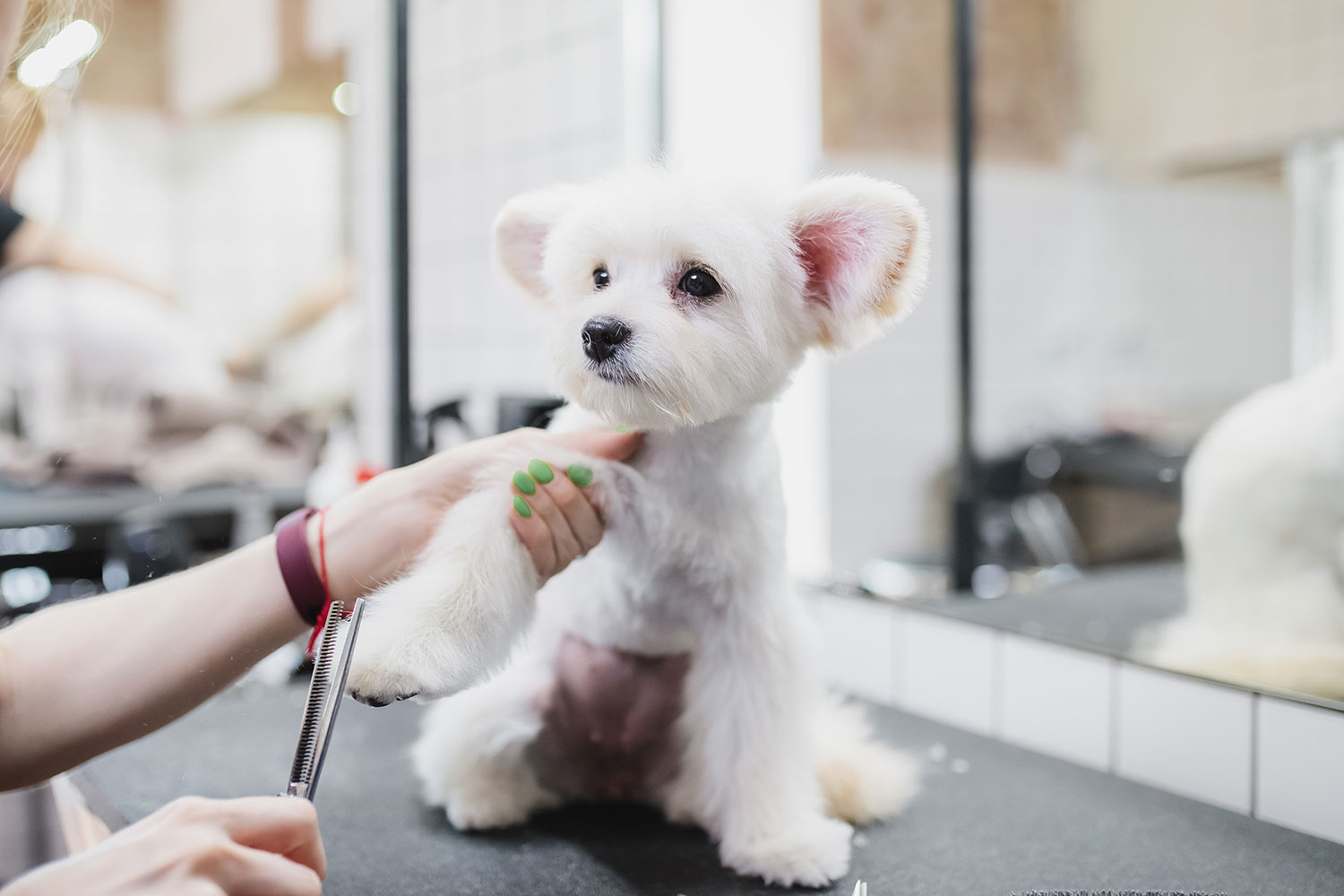



Welcoming a new puppy or dog into your home is an exciting journey filled with wagging tails, wet kisses, and countless memories. As a dog owner for over a decade, I’ve experienced firsthand the joys and challenges that come with raising these furry companions. This complete guide will walk you through everything you need to know about dog and puppy care, from selecting the right breed for your lifestyle to implementing effective training techniques that foster good behavior and create a strong bond.
The path to responsible pet ownership begins with preparation and understanding your new companion’s needs. Dogs require more than just food and shelter—they need proper nutrition tailored to their age and size, regular veterinary care, consistent training, and plenty of love and attention. Whether you’re bringing home your first puppy or adding another canine to your family, knowing what to expect during those first weeks together can make the transition smoother for everyone involved.
Key Takeaways
- Preparation before bringing your dog home, including puppy-proofing your space and gathering essential supplies, sets the foundation for successful integration into your household.
- Consistent routines around feeding, exercise, and training create security for your dog while promoting good behavior and physical health.
- Regular veterinary check-ups, proper nutrition, and daily care routines are essential components of raising a happy, healthy canine companion.
Getting Started With Dog & Puppy Care
Bringing a new dog or puppy into your home is an exciting commitment that requires thoughtful preparation. The foundation of a successful relationship with your new companion begins with selecting the right pet for your lifestyle and creating a safe, welcoming environment.
Choosing the Right Dog or Puppy
When selecting a dog, I recommend considering your living situation and activity level first. Apartment dwellers may prefer smaller, less active breeds, while those with yards might accommodate larger, more energetic dogs.
Consider the age of your new pet carefully. Puppies require extensive training and supervision, while adult dogs often have established behaviors and may need less intensive care.
Breed characteristics matter significantly. Research typical temperaments, exercise needs, and potential health issues before making your decision. Some breeds are prone to specific medical conditions that may require special care or consideration.
Don’t overlook personality compatibility. Spend time interacting with potential pets to ensure their energy and temperament match your expectations. A dog that fits well with your lifestyle will make the transition much smoother.
Preparing Your Home for a New Dog
Pet-proofing your home is essential before your new dog arrives. Remove or secure toxic plants, chemicals, electrical cords, and small objects that could be chewed or swallowed.
Create a designated space with a comfortable bed, water bowl, and toys. This gives your dog a safe retreat when feeling overwhelmed.
Purchase essential supplies in advance:
- Quality food appropriate for age and size
- Food and water bowls
- Collar with ID tag
- Leash
- Appropriate toys
- Crate or bed
- Grooming supplies
Establish house rules with family members regarding feeding schedules, walking duties, and training consistency. Consistency helps dogs understand expectations and adapt more quickly.
Dog Adoption Process
Research reputable sources for adoption including shelters, rescue organizations, and responsible breeders. Avoid puppy mills and online sellers with questionable practices.
Prepare for the application process, which often includes:
- Personal references
- Home visits
- Proof of residence
- Application fees
- Veterinary references (if you’ve had pets)
Budget for initial costs beyond the adoption fee. These typically include:
- Veterinary exams
- Vaccinations
- Spaying/neutering (if not already done)
- Microchipping
Schedule a veterinary appointment within the first week of bringing your new dog home. This establishes baseline health information and addresses any immediate concerns.
Consider timing your adoption when you can spend several days at home to help your new companion adjust to their environment.
Proper Nutrition and Feeding Guidelines
Providing proper nutrition is one of the most important aspects of dog care. A well-balanced diet supports your pet’s growth, immune system, and overall health throughout their life stages.
Selecting Quality Dog Food
When choosing dog food, I look for products listing a specific animal protein (like chicken, beef, or fish) as the first ingredient. High-quality foods contain a balanced mix of proteins, fats, carbohydrates, vitamins, and minerals—all essential for your dog’s health.
Reading ingredient labels is crucial. I avoid foods with excessive fillers, artificial preservatives, and vague ingredients like “meat by-products.” Complete and balanced foods should meet AAFCO (Association of American Feed Control Officials) standards, which ensure proper nutrient levels.
Dry kibble, wet food, and fresh options all have their merits. Some dogs benefit from grain-free formulas, while others thrive with whole grains. Your veterinarian can help determine which type best suits your dog’s specific needs based on age, breed, size, and health conditions.
Puppy Food Requirements
Puppies need specialized nutrition during their crucial growth period. Puppy-specific foods contain higher protein levels, more calories, and additional nutrients that support developing bodies and brains.
Large-breed puppies benefit from formulas that control growth rate to prevent skeletal issues. Small-breed puppies often need calorie-dense foods to support their faster metabolism.
Puppies should eat puppy food until they reach about 80-90% of their adult size, typically 12 months for most breeds. Large breeds may need puppy food for up to 18-24 months. This ensures they receive proper nutrition during their entire developmental stage.
Proper calcium-to-phosphorus ratios are particularly important in puppy foods to support healthy bone development. I always check that these nutrients are balanced appropriately.
Establishing a Feeding Schedule
Puppies under six months typically need three meals daily, while adult dogs generally do well with two meals per day. Consistent feeding times help with house training and establish a routine your dog can count on.
Free-feeding (leaving food available all day) isn’t recommended as it can lead to overeating and obesity. Instead, I measure portions according to package guidelines, then adjust based on my dog’s body condition and activity level.
Portion control is essential to prevent weight issues. A healthy dog should have a visible waist when viewed from above and palpable ribs without excess fat covering. I reassess my dog’s food needs as they age, become more or less active, or if health conditions develop.
Feeding in a quiet area away from distractions helps anxious eaters. Fresh water should always be available, as proper hydration is just as important as nutrition for overall health.
Core Aspects of Everyday Dog Care
Proper daily care forms the foundation of your dog’s health and happiness. Establishing consistent routines for exercise, grooming, and play will strengthen your bond while preventing many common behavioral and health issues.
Safe Exercise Routines
Dogs need regular physical activity tailored to their age, breed, and health condition. Puppies require shorter, more frequent exercise sessions to protect their developing joints. I recommend 5-minute walks per month of age up to twice daily for puppies under 6 months.
Adult dogs generally need 30-60 minutes of activity daily, with working breeds requiring more. Senior dogs benefit from gentler, shorter sessions that maintain mobility without straining aging joints.
Mix up activities to engage both body and mind. Consider:
- Daily walks (varying routes to provide mental stimulation)
- Fetch games in secure areas
- Swimming (excellent low-impact exercise)
- Agility courses for high-energy breeds
Watch for signs of overexertion like excessive panting or reluctance to continue. Always provide fresh water before and after exercise sessions.
Daily Grooming Essentials
Regular grooming maintains your dog’s health while allowing you to spot potential issues early. Brush your dog’s coat several times weekly—daily for long-haired breeds—using appropriate brushes for their coat type.
Bathing frequency depends on your dog’s lifestyle and coat. Most dogs need baths every 4-8 weeks, while some may require monthly baths. Always use dog-specific shampoos as human products can disrupt their skin pH.
Don’t neglect these crucial grooming tasks:
- Nail trimming: Every 3-4 weeks, or when you hear clicking on hard floors
- Ear cleaning: Weekly for floppy-eared breeds, monthly for others
- Dental care: Daily tooth brushing with canine toothpaste
- Eye wiping: As needed with a damp, clean cloth
Start grooming routines early with puppies, using treats and praise to create positive associations.
Choosing Appropriate Toys
Toys serve essential functions beyond entertainment—they provide mental stimulation, satisfy chewing instincts, and prevent destructive behaviors. I recommend having a variety of toys that serve different purposes.
Match toys to your dog’s chewing style. For aggressive chewers, durable rubber toys like Kong products withstand powerful jaws. Plush toys work better for gentle players but should be supervised to prevent ingestion of stuffing.
Safety should be your primary concern:
- Avoid toys with small, detachable parts
- Select size-appropriate toys that can’t be swallowed
- Inspect toys regularly for damage and replace when worn
- Rotate toys weekly to maintain interest
Interactive toys like puzzle feeders and treat-dispensing balls provide mental challenges that reduce boredom and anxiety. These are especially valuable for dogs left alone during work hours.
Health, Wellness, and Veterinary Care
Maintaining your dog’s health requires a proactive approach that combines preventive care, regular veterinary visits, and prompt attention to any signs of illness. A well-structured healthcare routine forms the foundation of your pet’s overall wellbeing and longevity.
Essential Vaccinations
Puppies need a series of core vaccinations starting at 6-8 weeks of age. These typically include protection against parvovirus, distemper, adenovirus, and rabies. The initial series requires multiple visits, usually 3-4 weeks apart, to build proper immunity.
Non-core vaccines may be recommended based on your dog’s lifestyle and geographic location. These might include Bordetella (kennel cough), Lyme disease, and leptospirosis vaccines.
I recommend keeping a vaccination record and setting calendar reminders for boosters. Most core vaccines require annual or triennial boosters throughout your dog’s life to maintain protection.
Vaccine reactions are rare but possible. Watch for lethargy, fever, or swelling at the injection site, and contact your vet if these symptoms persist or worsen.
Routine Veterinary Visits
Puppies should see a veterinarian every 3-4 weeks until about 16 weeks old for vaccines and developmental assessments. After completing puppy vaccines, healthy adult dogs typically need annual checkups.
Senior dogs (generally 7+ years) benefit from semi-annual visits to catch age-related issues early. These visits often include bloodwork to assess organ function and detect changes before symptoms appear.
A complete physical exam allows your vet to check your dog’s weight, heart, lungs, teeth, skin, and more. This hands-on assessment can reveal issues you might miss at home.
Dental evaluations should be part of every visit. Professional cleanings may be recommended every 1-2 years depending on your dog’s oral health and breed predisposition.
Preventing and Managing Illness
Prevention Essentials:
- Monthly parasite control for fleas, ticks, and heartworm
- Appropriate nutrition and weight management
- Regular exercise and mental stimulation
- Dental care (brushing teeth 2-3 times weekly)
Learn to recognize signs of illness including lethargy, changes in appetite or thirst, unusual elimination habits, vomiting, coughing, or behavior changes. Early detection often leads to simpler, less expensive treatments.
Keep a pet first aid kit at home with gauze, non-stick bandages, digital thermometer (normal canine temp: 101-102.5°F), and hydrogen peroxide (only use to induce vomiting if directed by a veterinarian).
Consider pet insurance when your dog is young and healthy to help manage unexpected medical costs. Many plans cover accidents, illnesses, and some preventive care.
Raising and Training Your Dog or Puppy
Training and raising your dog properly sets the foundation for a well-behaved companion and strengthens your bond. Proper training combines consistency, positive reinforcement, and understanding your dog’s natural behaviors and needs.
Basic Dog Training Principles
Successful dog training relies on consistency and positive reinforcement. I’ve found that rewarding good behavior with treats, praise, or play works much more effectively than punishing unwanted actions.
Always use clear, consistent commands and ensure everyone in your household uses the same words and gestures. For example, decide whether you’ll use “down” or “off” when you want your dog to stop jumping on furniture.
Training sessions should be short—about 5-10 minutes for puppies and 10-15 minutes for adult dogs—to prevent frustration and boredom. End each session on a positive note with a command your dog knows well.
Remember that timing is crucial. Rewards must come immediately after the desired behavior so your dog makes the connection between action and reward.
Early Socialization Techniques
Socialization is critical between 3-14 weeks of age, though it remains important throughout your dog’s life. During this window, expose your puppy to various people, animals, environments, sounds, and surfaces.
Arrange controlled playdates with vaccinated, friendly dogs to teach appropriate play and communication skills. These interactions help puppies learn bite inhibition and canine social cues.
Create positive associations with new experiences by:
- Offering treats during introductions
- Using a calm, upbeat voice
- Starting with low-intensity exposures
- Gradually increasing challenge levels
Take your puppy to different environments like parks, outdoor cafés, and pet-friendly stores once their vaccinations permit. This helps prevent fear and aggression issues later.
Effective Crate Training
Crate training provides your dog with a safe space while preventing destructive behaviors when unsupervised. The crate should be large enough for your dog to stand, turn around, and lie down comfortably.
Make the crate inviting by placing comfortable bedding inside and covering it partially to create a den-like environment. Begin by feeding meals near the crate, then gradually move the food inside.
Never use the crate as punishment. Instead, encourage entry with treats, toys, and praise. Start with short periods and gradually increase duration as your dog becomes comfortable.
Puppies can generally stay crated for their age in months plus one hour (maximum), but no dog should be crated for more than 4-5 hours regularly during the day. Nighttime crating can be longer once your puppy can hold their bladder through the night.