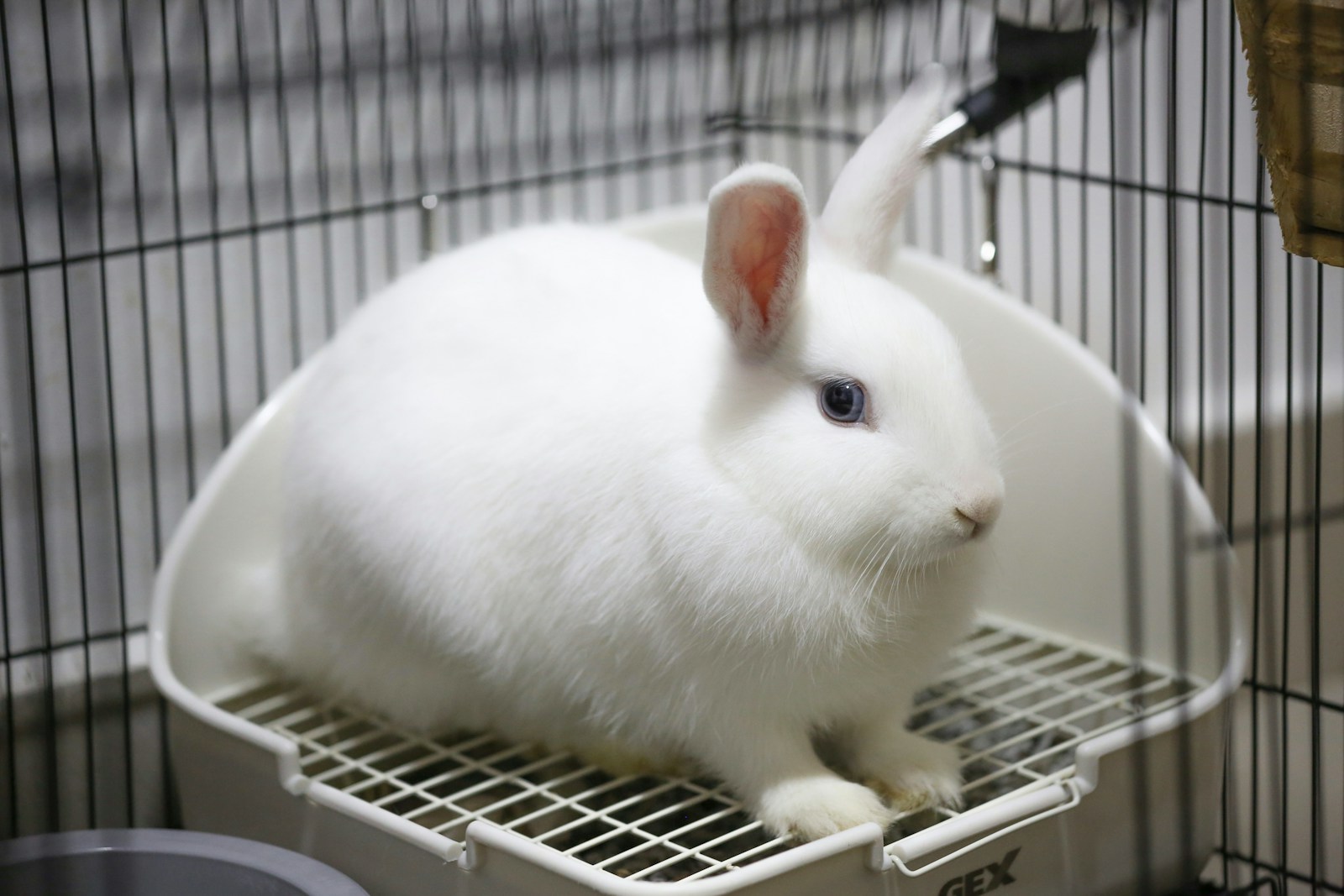



Small pets can bring big joy to your life without requiring the space or commitment of larger animals. Taking care of small pets properly ensures they live happy, healthy lives while creating a rewarding experience for you. Whether you’re considering a hamster, rabbit, guinea pig, rat, or gerbil, understanding the basic care requirements for your small pet is essential to being a responsible pet owner.
These pocket-sized companions each have unique needs when it comes to housing, nutrition, and social interaction. Many small pets need daily attention, fresh food and water, clean living spaces, and opportunities for exercise. While they may require less maintenance than dogs or cats, small pets still depend on you for their wellbeing.
Before bringing home a new small pet, take time to research the specific requirements for that species. Some small pets like rats are highly social and intelligent, while others may need specific diets or specialized habitats. The right preparation will help you provide the best care possible for your new little friend.
Key Takeaways
- Small pets require daily care including proper nutrition, clean water, and habitat maintenance to thrive.
- Each species has unique housing, diet, and social needs that should be researched before adoption.
- Regular veterinary check-ups and appropriate enrichment activities are essential for small pet health and happiness.
Essential Care Basics for Small Pets
Small pets need specific care to stay healthy and happy. Each type of small pet has unique requirements for housing, food, and handling that are crucial for their wellbeing.
Choosing the Right Small Pet
Different small pets suit different lifestyles. Hamsters are mostly nocturnal and do well as solo pets, making them ideal for busy people. They require less social interaction but still need daily attention.
Guinea pigs are social animals that typically need companions of their own kind. They live longer than hamsters (5-7 years) and require more space and daily interaction. Guinea pigs are vocal and express themselves through various sounds.
Rabbits need significant space and can live 8-12 years. They require more commitment and specialized care, including regular exercise outside their cage and hay-based diets.
Rats are highly intelligent and social, forming strong bonds with owners. They need at least one rat companion and daily handling. Their intelligence makes them trainable and engaging pets.
Consider these factors before choosing:
- Available space in your home
- Time commitment
- Budget for supplies and vet care
- Allergies to bedding or fur
- Household activity level
Pet Housing and Habitat Setup
Each small pet needs appropriate housing that provides enough space. Minimum cage sizes vary:
- Hamsters: 24″ x 12″ cage with 12″ height
- Guinea pigs: 7.5 square feet for one, 10.5 square feet for two
- Rabbits: 4′ x 2′ cage plus exercise space
- Rats: Multi-level cage with at least 2 cubic feet per rat
Bedding options include paper-based products, aspen shavings, or fleece liners. Avoid cedar and pine shavings as they contain harmful oils. Change bedding weekly.
All habitats need hiding spots where pets can retreat when stressed. Provide chew toys to maintain dental health, especially for rabbits and guinea pigs whose teeth grow continuously.
Temperature matters too. Keep habitats between 65-75°F, away from drafts, direct sunlight, and heat sources. Most small pets are sensitive to temperature extremes.
Handling and Socialization
Proper handling prevents stress and injury. Start slowly with new pets, allowing them to adjust to their environment before attempting to handle them. Most small pets need a few days to settle in.
For hamsters and rats, scoop them up from below rather than grabbing from above, which mimics predator behavior. Support their entire body when holding them.
Guinea pigs and rabbits need support under their hindquarters when lifted. Never pick up rabbits by their ears or guinea pigs by their front legs.
Regular, gentle handling builds trust. Start with short sessions and gradually increase time as your pet becomes comfortable. Speak softly and move slowly around small pets.
Socialization needs differ by species:
- Hamsters: 15-20 minutes daily
- Guinea pigs: 1-2 hours daily
- Rabbits: Several hours of interaction and exercise
- Rats: At least 1 hour outside cage daily
Nutrition and Feeding Guidelines
Proper nutrition forms the foundation of small pet health, with each species having unique dietary requirements. Meeting these needs through appropriate food selection and portion control can prevent common health issues and extend your pet’s lifespan.
Species-Specific Diets
Rabbits need a diet primarily composed of hay (about 80%), which maintains dental and digestive health. Offer fresh hay daily, supplemented with leafy greens and a small amount of pellets.
Guinea pigs require vitamin C daily since they cannot produce it themselves. Their diet should consist of high-quality guinea pig pellets, unlimited timothy hay, and fresh vegetables rich in vitamin C.
Hamsters thrive on a diet of commercial hamster food mixed with small amounts of fresh vegetables and fruits. Their natural diet includes seeds, grains, and occasional proteins.
Rats need balanced rat blocks or pellets that provide complete nutrition. Supplement with small portions of fresh fruits and vegetables for variety and enrichment.
Remember that transitioning between foods should happen gradually over 7-10 days to prevent digestive upset.
Selecting High-Quality Pet Food
When choosing commercial pet food, read ingredient lists carefully. The first ingredients should be whole foods rather than fillers or by-products.
Quality indicators to look for:
- Named protein sources
- No artificial colors or flavors
- No excessive sugar content
- Appropriate for your pet’s life stage
A standard 4 lb bag of quality food typically lasts 1-2 months for small pets, depending on species and size. Store opened food in airtight containers to maintain freshness.
Look for brands that meet or exceed AAFCO (Association of American Feed Control Officials) standards, which ensure nutritional adequacy. Premium brands may cost more initially but often provide better nutrition and may reduce veterinary costs in the future.
Understanding Portion Sizes
Overfeeding is a common problem with small pets. Follow these general guidelines, but adjust based on your pet’s activity level and body condition.
| Species | Daily Pellet Portion | Fresh Food |
|---|---|---|
| Rabbit | 1/4 cup per 5 lbs | 1 cup vegetables per 2 lbs |
| Guinea Pig | 1/8 cup | 1 cup vegetables |
| Hamster | 1-2 tablespoons | 1 teaspoon fresh foods |
| Rat | 1-2 tablespoons | 1 tablespoon fresh foods |
Monitor your pet’s weight regularly. You should be able to feel but not see their ribs. Decrease portions if weight gain occurs or increase slightly if they seem underweight.
Fresh water should always be available and changed daily. Use water bottles for most species to keep water clean.
Safe Treats and Foods to Avoid
Treats should make up no more than 5% of your small pet’s diet. Choose natural options rather than commercial treats with added sugars and preservatives.
Safe treats by species:
- Rabbits: Small pieces of apple, carrot, or banana
- Guinea pigs: Bell peppers, cucumber, small berry pieces
- Hamsters: Unsalted nuts (sparingly), small pieces of hard-boiled egg
- Rats: Plain popcorn, small yogurt drops, occasional pasta
Foods to always avoid:
- Chocolate and caffeine
- Onions and garlic
- Avocado
- Processed human snacks
- Citrus fruits (for hamsters)
- Any moldy or spoiled foods
Introduce new foods gradually and in small amounts to monitor for adverse reactions. Remove any uneaten fresh food after a few hours to prevent spoilage.

Health and Wellness for Small Pets
Maintaining optimal health for pocket pets requires both regular veterinary care and daily attention to their wellbeing. Small pets like rabbits, guinea pigs, hamsters, and rats have specific health needs that owners should understand to prevent common issues.
Preventative Veterinary Care
Small pets benefit from annual wellness exams even when they appear healthy. These checkups allow veterinarians to detect early signs of illness that owners might miss.
During these visits, your vet can trim overgrown teeth, nails, and perform necessary vaccinations for certain species. Rabbits, for example, should be vaccinated against diseases like myxomatosis in areas where it’s prevalent.
Spaying and neutering is recommended for many small pets. This prevents reproductive cancers, especially in female rabbits and rats, who have high rates of uterine cancer when unspayed.
Create a relationship with an exotic pet veterinarian before emergencies occur. Not all vets have experience with pocket pets, so find one who specializes in small animal care.
Common Illnesses and Symptoms
Dental problems are frequent in small mammals. Watch for drooling, reduced appetite, or weight loss. Guinea pigs and rabbits need constant access to hay to wear down their continuously growing teeth.
Respiratory infections present with sneezing, nasal discharge, and labored breathing. These require immediate veterinary attention, particularly in rats and guinea pigs who are prone to respiratory issues.
Gastrointestinal stasis is serious in rabbits and guinea pigs. Signs include reduced fecal output, lethargy, and hunched posture. This condition can be fatal if not treated quickly.
Skin problems like mites or fungal infections cause itching, hair loss, and flaky skin. Regular habitat cleaning and proper humidity levels help prevent these conditions.
Monitor your pet’s weight, energy levels, and eating habits daily. Any significant changes warrant a veterinary visit, as small pets can decline rapidly when ill.
Enrichment and Exercise
Small pets need both physical activity and mental stimulation to stay healthy and happy. These elements prevent boredom and encourage natural behaviors that keep your pet physically fit and mentally sharp.
Toys and Mental Stimulation
Small pets thrive when given appropriate toys that stimulate their natural behaviors. Hamsters enjoy running wheels, tunnels, and chew toys that help wear down their constantly growing teeth. Guinea pigs benefit from paper bags, cardboard tubes, and wooden chew blocks to explore and nibble on.
Rabbits need a variety of toys that allow them to dig, chew, and forage. Provide them with:
- Cardboard boxes filled with hay
- Untreated wooden toys
- Paper bags with treats hidden inside
- Rolling toys they can push around
Rats are particularly intelligent and require challenging enrichment. Puzzle feeders that make them work for treats keep their minds active. Rotating toys regularly prevents boredom, as small pets quickly lose interest in familiar objects.
Safe Exercise Options
Exercise is vital for maintaining a healthy weight and promoting good muscle tone in small pets. Hamsters benefit from exercise wheels with solid surfaces to prevent leg injuries. Exercise balls should be used sparingly and only under close supervision.
Rabbits need daily out-of-cage time in a secure, pet-proofed area where they can hop, run, and perform “binkies” (joyful jumps). At least 2-3 hours of free-roaming time is recommended.
Guinea pigs enjoy floor time in protected areas with tunnels and hiding spots. Small playpens work well for supervised exercise sessions.
Rats should have climbing opportunities with ropes, ladders, and platforms. Branch-like structures mimic their natural environment and encourage exploration and exercise.
For all small pets, ensure exercise areas are free from hazards like electrical cords, toxic plants, and small objects they might swallow.
Cleaning, Maintenance, and Safety
Keeping your small pet’s environment clean and safe is essential for their health and wellbeing. Regular cleaning prevents disease while proper safety measures protect curious animals from household hazards.
Sanitizing Living Spaces
Small animals like rabbits, guinea pigs, hamsters, and rats need clean living spaces to stay healthy. Spot clean cages daily by removing soiled bedding, uneaten food, and waste. This simple task prevents odor buildup and reduces bacteria growth.
Perform a deep clean weekly by completely emptying the cage. Remove all accessories, bedding, and food dishes. Wash these items with pet-safe cleaners—avoid harsh chemicals that could harm your pet. Vinegar solutions (one part vinegar to three parts water) work well for sanitizing.
Always ensure everything is completely dry before returning it to the cage. Damp environments can lead to respiratory problems, especially in sensitive animals like guinea pigs.
Fresh water should be provided daily. Clean water bottles or bowls thoroughly to prevent algae buildup and bacterial contamination.
Pet-Proofing the Home
When allowing small pets like rabbits and guinea pigs out for exercise, pet-proofing is crucial. Cover or hide electrical cords that curious pets might chew, which can lead to electrocution or burns.
Block access to toxic houseplants such as lilies, ivy, and philodendron. Small animals may nibble these plants, causing severe health issues or even death.
Secure small spaces where pets could become trapped. Hamsters and rats can squeeze through surprisingly tiny openings and may become lost in walls or under appliances.
Keep other household pets like cats and dogs separated from your small animals during playtime. Even gentle pets may trigger predatory instincts around small creatures.
Create an emergency kit with essential supplies including food, water, bedding, and any medications your pet needs. This preparation proves invaluable during unexpected situations.