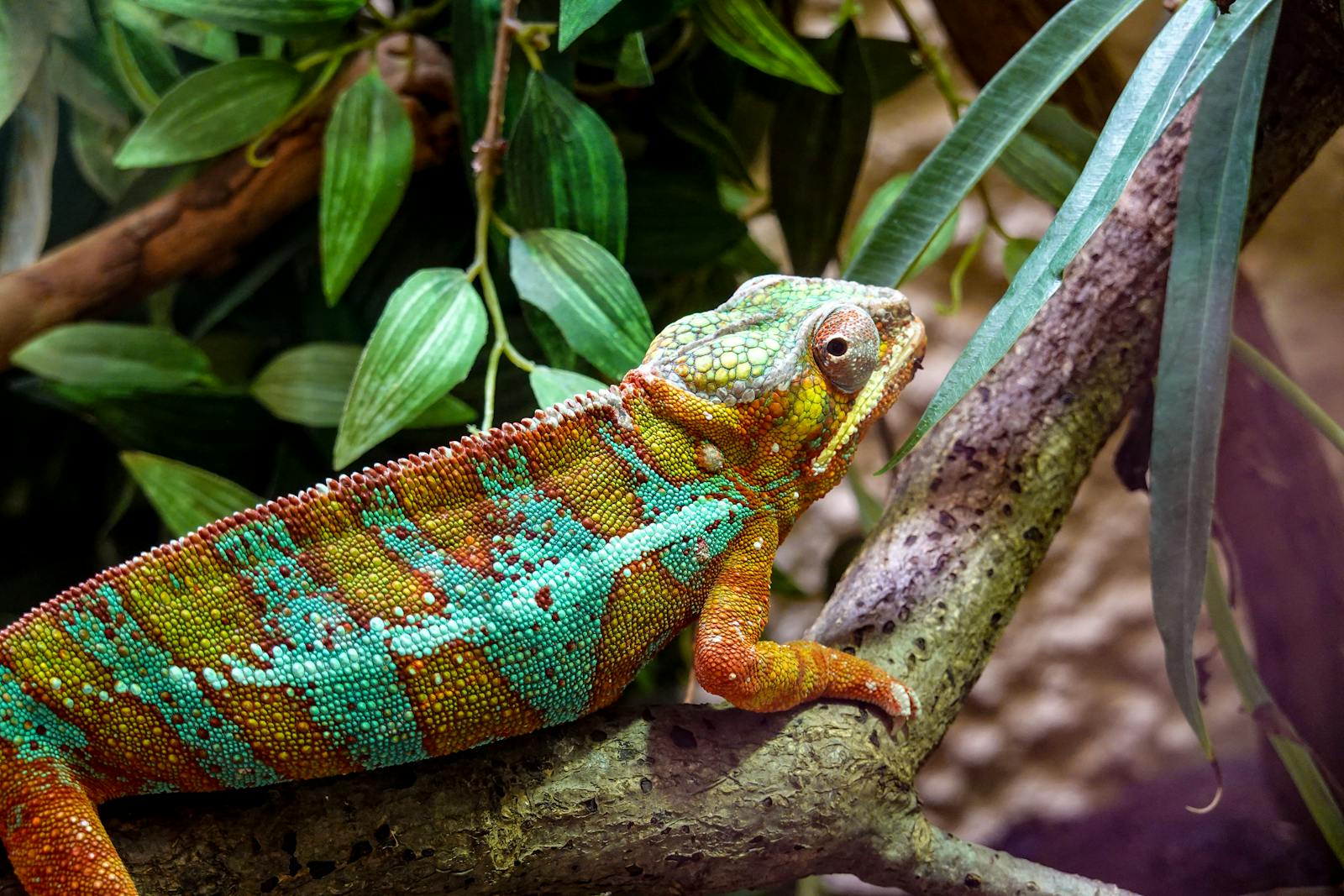


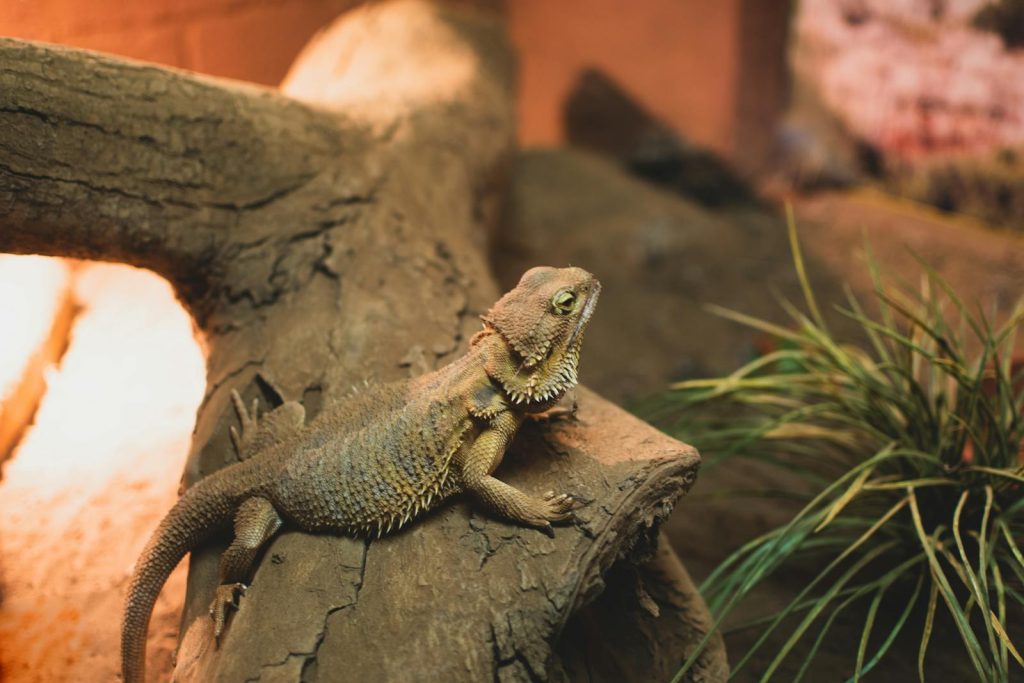
Various types of reptile pets have really taken off in popularity with folks who want something a bit different from the usual furry companions. Popular types of reptile pets like leopard geckos, bearded dragons, and corn snakes tend to stand out as favorites, and honestly, they’re great for both newbies and seasoned reptile enthusiasts. These cold-blooded animals can be surprisingly rewarding companions—most types of reptile pets don’t need as much daily fuss as dogs or cats, but they still show off all sorts of fascinating behaviors.
If you’re thinking about bringing a reptile home, keep in mind that each of these types of reptile pets comes with its own set of care needs. Some, like crested geckos or Russian tortoises, are famous for being fairly low-maintenance and pretty chill to handle. Other types of reptile pets might need more specialized diets, enclosures, or handling to really thrive.
There’s a lot more diversity among reptile pets than just lizards and snakes, by the way. Turtles, tortoises, and even a few amphibians like frogs can add something special to your home. Each type brings its own quirks and care requirements, so there’s usually a perfect match among the various types of reptile pets for just about anyone’s lifestyle.
Key Takeaways
- Leopard geckos, bearded dragons, and corn snakes make awesome beginner reptile pets—they’re pretty easy to care for.
- Setting up the right habitat with the right temperature, humidity, and space is key for reptile health.
- Lifespan, temperament, and diet differ a lot between species, so definitely do your homework before you buy.
Popular Types of Reptile Pets
Reptiles have become a go-to choice for pet lovers who want something unique and not too demanding. Plenty of species do well in captivity and can even bond with their owners in their own way.
Lizards as Pets
Bearded dragons are hands-down the most popular reptile pet, and honestly, it’s easy to see why. They’re friendly, pretty relaxed, and have loads of personality. They usually reach about 24 inches and can stick around for 8-12 years if you take care of them.
Leopard geckos make another great pick, especially if you’re just starting out. They’re smaller—usually 8-10 inches—and their spotted patterns are pretty cool. Plus, they don’t need fancy lighting setups.
Crested geckos have been getting a lot of love lately, thanks to their unusual looks and easy care. You don’t need UVB lighting for them, and they do well on powdered diets you can buy at most pet stores.
Blue-tongued skinks catch people’s attention with those wild blue tongues and their curious personalities. They’re usually laid-back and can get pretty tame if you handle them regularly.
Snakes as Pets
Corn snakes work really well for beginners. They’re a manageable size (3-5 feet), gentle, and not too complicated to care for. They come in a bunch of different colors, too, and can live 15-20 years.
Ball pythons are probably the runner-up in popularity. They get their name from how they curl up into a ball when they’re nervous. They’re usually 3-5 feet long and, if you treat them right, can live over 30 years.
These snakes don’t need huge cages like some other pythons. Their calm attitude means most people can handle them without much trouble.
Go for captive-bred snakes whenever you can. They adjust better to home life and usually don’t have as many health problems as wild-caught ones.
Turtles and Tortoises
Russian tortoises are a top pick if you want a chelonian pet. They’re smallish (6-10 inches), can live over 40 years, and love leafy greens.
Red-footed tortoises are another good choice—they’re a manageable size and have friendly personalities. Just remember, they need a humid home and a varied diet.
Aquatic turtles like red-eared sliders are pretty common, but they do need more specialized care. They need both land and water in their tanks, plus a good filter.
Keep in mind: turtles and tortoises live a long time—way longer than most dogs or cats. Some can hit 50 years or more, so it’s a big commitment.
Other Reptile Companions
Anoles are small, super active lizards that are fun to watch. They’re not really into being handled, but they’ll keep you entertained as they zip around their tanks.
Water dragons attract people who want something a bit more exotic. These semi-aquatic lizards need big enclosures with water to swim in and plenty of climbing space.
If you’re picking out a reptile, check out reputable pet shops or reptile expos. You’ll get to see the animals up close and chat with folks who know their stuff.
Always read up on what your chosen species needs before you bring one home. Every reptile has its own requirements for temperature, humidity, diet, and setup.
Essential Habitat and Enclosure Requirements
Setting up the right reptile habitat really matters if you want your pet to stay happy and healthy. You’ll need to get the enclosure size right, keep the temperature steady, provide the right lighting, and manage humidity.
Choosing the Right Terrarium
Your reptile’s enclosure is basically its whole world, so picking the right one is a big deal. Don’t go too small—most reptiles need more space than you’d guess. Give them room to move, climb, or burrow, depending on what they like to do in the wild.
Glass terrariums work for most species since they hold heat and you can see your pet easily. For big reptiles like iguanas or monitors, you’ll probably need a custom-built setup.
Think about how big your pet will get, not just how tiny it is now. A baby bearded dragon can outgrow a 10-gallon tank faster than you’d expect.
Minimum enclosure sizes for common reptiles:
- Leopard Gecko: 20-gallon long tank
- Bearded Dragon: 40-gallon breeder tank (at least)
- Ball Python: 40-gallon tank
- Corn Snake: 20-gallon long tank
Make sure the tank has the right substrate, hiding spots, branches for climbing species, and a secure lid so your pet doesn’t pull a Houdini.
Lighting and Heating Needs
Reptiles can’t make their own body heat, so they depend on their environment. You’ll need to set up a temperature gradient so they can move between warm and cool spots.
Basic heating gear:
- Heat lamps or ceramic heat emitters
- Under-tank heaters (for ground dwellers)
- Thermostats to keep temps steady
- Digital thermometers for checking temperatures
Most reptiles also need UVB lights to make vitamin D3, which helps them absorb calcium. Without UVB, they can get metabolic bone disease, which is pretty serious.
Try to mimic natural day/night cycles—about 12 hours of light and 12 hours of dark. Put heat sources at one end of the tank so your pet can pick the right temperature.
Water and Humidity Considerations
Water and humidity needs really depend on the species. Bearded dragons, for example, like it dry (30-40% humidity), but crested geckos need things much more humid (60-80%).
All reptiles need clean water to drink. Some, like aquatic turtles, need water to swim in too. Change and refill water dishes every day to keep things clean.
Ways to manage humidity:
- Misting systems or just spraying by hand
- Bigger water dishes (these boost humidity)
- Humidity hides with damp substrate
- Hygrometers to keep track of humidity
If your species needs high humidity, set up a humidity retreat—a plastic box with damp moss or paper towels works fine.
Getting humidity right helps prevent issues like bad sheds or respiratory infections. But don’t go overboard—too much moisture can cause skin problems or bacteria growth.
Diet and Nutrition for Reptile Pets
Feeding your reptile the right diet is super important if you want it to live a long, healthy life. Some reptiles eat only plants, others go for meat, and a lot land somewhere in between.
Common Food Sources
Herbivores like tortoises and iguanas do best on dark, leafy greens. That should be most of their diet, with some reptile pellets (maybe 25-50%) thrown in for balance.
Carnivorous reptiles—think certain snakes and monitors—need whole prey like mice, rats, or insects, depending on their size.
Omnivores like bearded dragons need both. Young dragons need more protein (so, more bugs), while adults eat more veggies.
Some common feeder insects:
- Crickets
- Mealworms
- Dubia roaches
- Waxworms (just as treats—they’re fatty)
Dust live bugs with calcium powder to help prevent any nutritional gaps.
Feeding Guidelines and Frequency
Adult reptiles usually don’t eat every day. Herbivores might, but carnivores could go a week or more between meals, depending on their size and species.
A general rule: feed about 1-4% of their body weight (dry matter). Young, growing reptiles need to eat more often to keep up with their growth.
Watch your portions—overfeeding is a common mistake and can make your pet obese.
Water needs change with the species. Desert reptiles might get most of their water from food, but others need fresh water available all the time.
Sticking to a regular feeding schedule helps you keep track of your pet’s appetite and spot any health issues early.
Temperament and Lifespan Considerations
Picking out a reptile isn’t just about looks—it’s also about how they act and how long you’ll have them around. These things will shape your daily routine and your long-term plans.
Behavioral Traits of Pet Reptiles
Reptile temperaments can vary a lot. Bearded dragons are usually laid-back and friendly, which makes them a top pick if you want a pet you can actually interact with. They often don’t mind being handled and might even seem to recognize you.
On the flip side, some geckos are a bit more nervous and prefer to be left alone. Leopard geckos can get comfortable with gentle handling, while crested geckos tend to keep to themselves.
Ball pythons are known for being mellow and not quick to bite, but they’re not as interactive as some lizards.
Always look into the specific species before you buy—individual personalities can still surprise you. Young reptiles might need some time to get used to you, but regular, gentle handling usually helps.
Expected Lifespans by Species
Reptiles can stick around way longer than people expect. Here’s a quick look:
| Species | Average Lifespan |
|---|---|
| Bearded Dragon | 8-12 years |
| Leopard Gecko | 10-20 years |
| Crested Gecko | 15-20 years |
| Ball Python | 20-30 years |
| Corn Snake | 15-20 years |
| Tortoise (varies by species) | 50-100+ years |
That’s a big commitment. Some tortoises might even outlive you, so you might want to plan ahead.
If you give your reptile the right care—good food, proper temperature, and regular checkups—they’ll probably live toward the higher end of these ranges.
Think about your future before picking a long-lived pet. If you’re a college student or expect big life changes, make sure you’re ready for that kind of responsibility.
Alternative Pet Choices: Amphibians and Exotic Species
Amphibians can be a cool alternative to reptiles, offering their own unique care routines and behaviors. They need specific habitats, but for the right person, they make rewarding pets.
Frogs, Toads, Salamanders, and Newts
Frogs make great pets if you’re into amphibians. African Dwarf Frogs, for example, are awesome for beginners—they’re fully aquatic and pretty easy to look after. All they really need is a small tank with clean, dechlorinated water.
Tree frogs, like the well-loved White’s Tree Frog, need a bit more attention. They want higher humidity and some vertical space to climb. These little guys show off their colors and mostly come alive at night, which is perfect if you tend to be around in the evenings.
Toads usually handle things better than frogs. The American Toad, for instance, is a popular pick. It adapts well to living with people and, believe it or not, might even start to recognize you after a while.
Salamanders and newts thrive in cool, damp places. The Fire-Bellied Newt really grabs your attention with that bright red-orange belly, and with good care, it can stick around for 10-15 years. Axolotls have become super popular lately because they look so unique and love life in the water.
Since all amphibians have skin that soaks up whatever’s in their surroundings, you’ll want to keep their water and habitat clean. It’s best to handle them as little as possible, and if you do, always use wet hands—gotta keep their sensitive skin safe.